Visit if Near
Arario Museum in Space
Kim Swoo-geun (original 1977) / ARARIO adapted 2014 · 2014
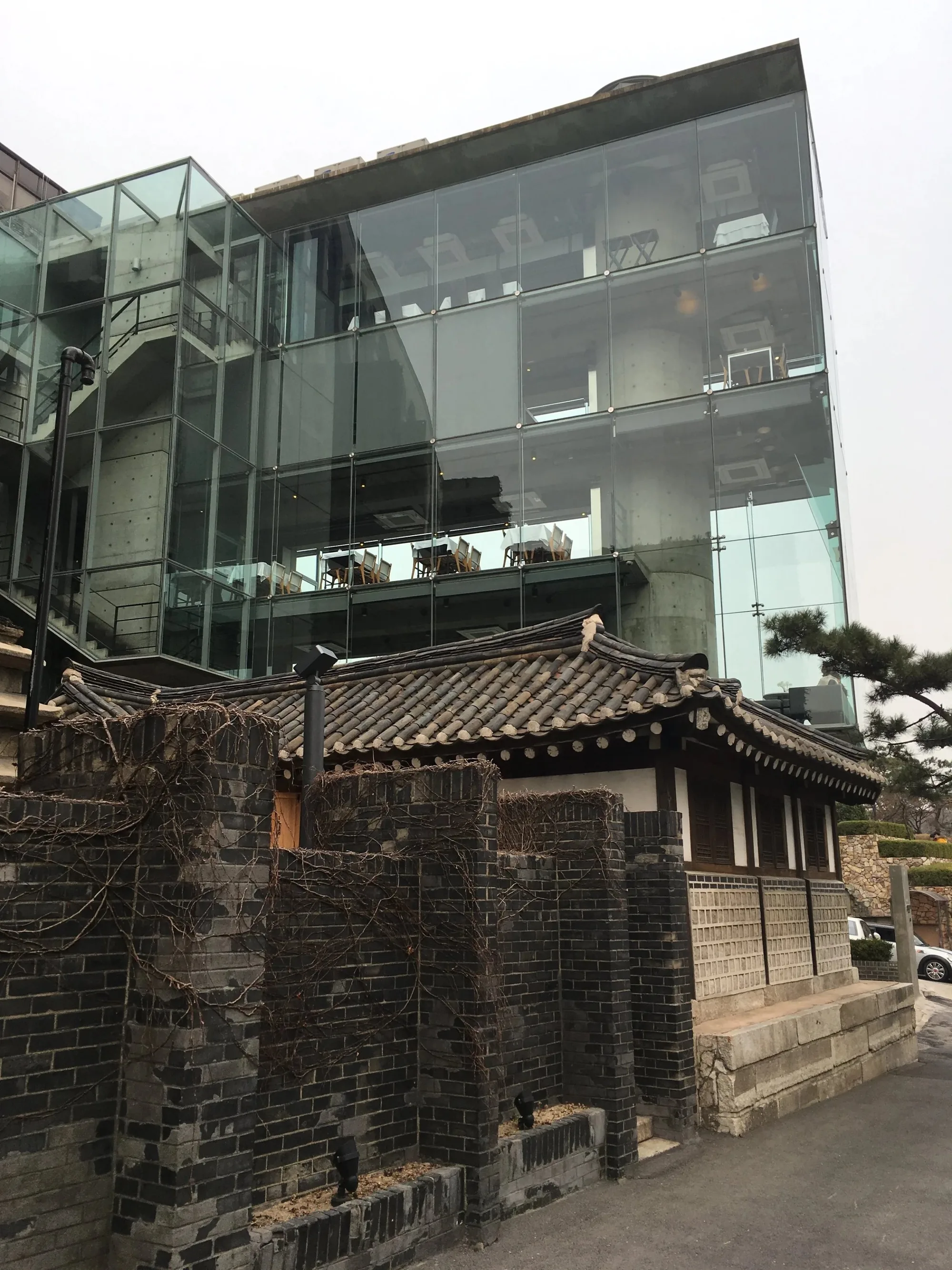
FIG. 01
ArchitectKim Swoo-geun (original 1977) / ARARIO adapted 2014
Year2014
LocationSeoul, South Korea
Coordinates37.5777° N, 126.9883° E
TypeCulture · Museum, Architecture · Adaptive Reuse
StatusVisit if Near
Sign in to save and check in to this place.
About this place
Kim Swoo-geun's 1977 Space building — Korea's first major brutalist architecture magazine office — converted into an art museum, with raw concrete volumes, light wells, and a rooftop that defines the Insadong skyline.
The building now known as Arario Museum in Space was designed by Kim Swoo-geun (1931–1986) in 1977 as the headquarters of Space (공간), Korea's leading architecture magazine, and as the physical embodiment of his practice and ideas about Korean modernism. Kim Swoo-geun is the central figure of 20th-century Korean architecture — a designer who absorbed Brutalism and later Metabolist influences and reinterpreted them through a Korean spatial sensibility that prioritises threshold, layering, and compressed movement over open plan.
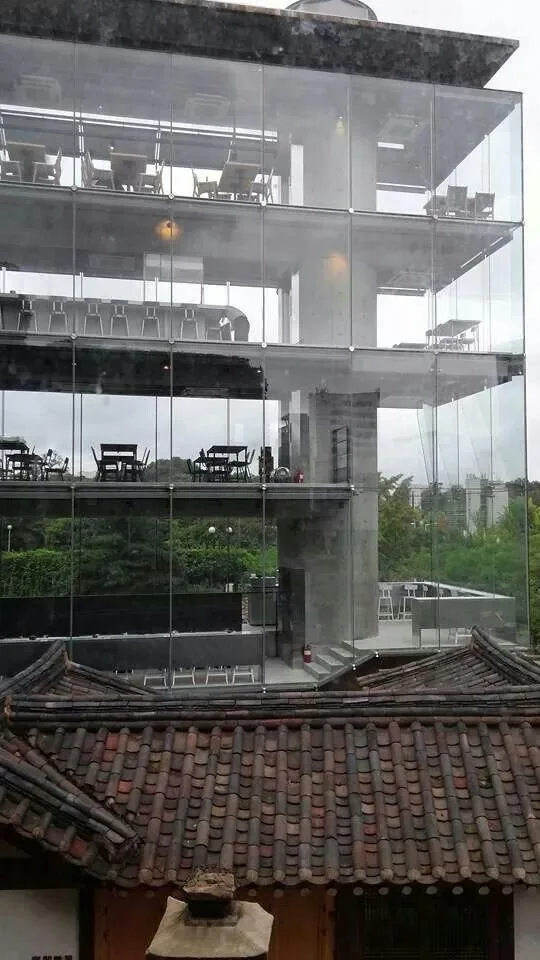
The building is a dense vertical accumulation of concrete volumes, light wells, internal bridges, and split-level floors that operates more like a section model of a hill town than a conventional office building. No floor plate repeats; circulation routes multiply and overlap; the relationship between programme and space is never resolved into an obvious floor-to-ceiling grid. The rooftop terrace, visible from the street below, has become one of the most photographed architectural silhouettes in the city.
After the magazine ceased publication and the building changed hands, it was acquired by Arario, a Korean art foundation and gallery group, who converted it into a museum in 2014. The conversion preserved the original spatial structure while introducing contemporary gallery lighting and a contemporary art programme focused on international works from the Arario collection.
The museum offers the rare experience of visiting a building that is architecturally significant in its own right and separately interesting for its current use. Visit on a weekday to move through the building with minimal interruption.
Culture · MuseumArchitecture · Adaptive Reuse
More in SeoulAll →
Comments
Sign in to leave a comment.
Access conditions may change. Please check current opening and access information with the venue before visiting.
Something wrong or missing?