Visit if Near
State Museum of Egyptian Art
Peter Böhm Architekten · 2013
ArchitectPeter Böhm Architekten
Year2013
LocationMunich, Germany
Coordinates48.1478° N, 11.5674° E
TypeCulture · Museum, Architecture · Museum Building
StatusVisit if Near
Sign in to save and check in to this place.
About this place
Peter Böhm's underground museum for Munich's Egyptian antiquities — a subterranean spiral of stone-clad galleries beneath the Kunstareal, shared with the HFF Munich film school.
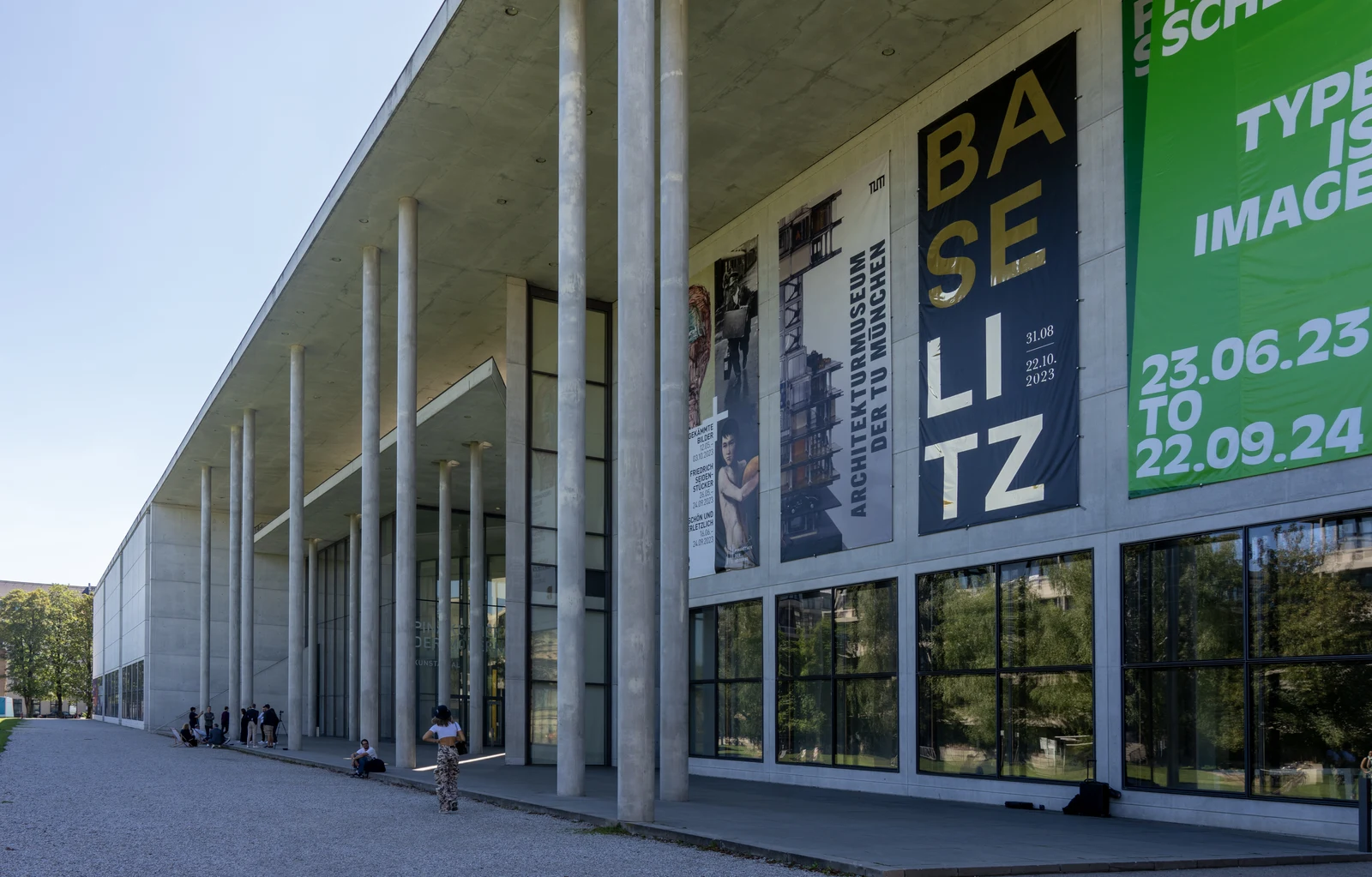
The State Museum of Egyptian Art occupies an unusual position in Munich's museum landscape: it is almost entirely underground. Peter Böhm's 2013 building buries itself below the courtyard of the Kunstareal district, emerging at street level only through a gently curved entrance canopy that marks the descent into the galleries below.
The approach from the street leads down a long ramp into a sequence of stone-clad rooms shaped like a compressed spiral. The circulation winds inward and downward, with spaces of varying height and proportion alternating between intimate cabinet-scale galleries and tall, double-height halls. Natural light is drawn in through roof funnels that bring daylight into the deepest parts without compromising the controlled conditions required for the collection.
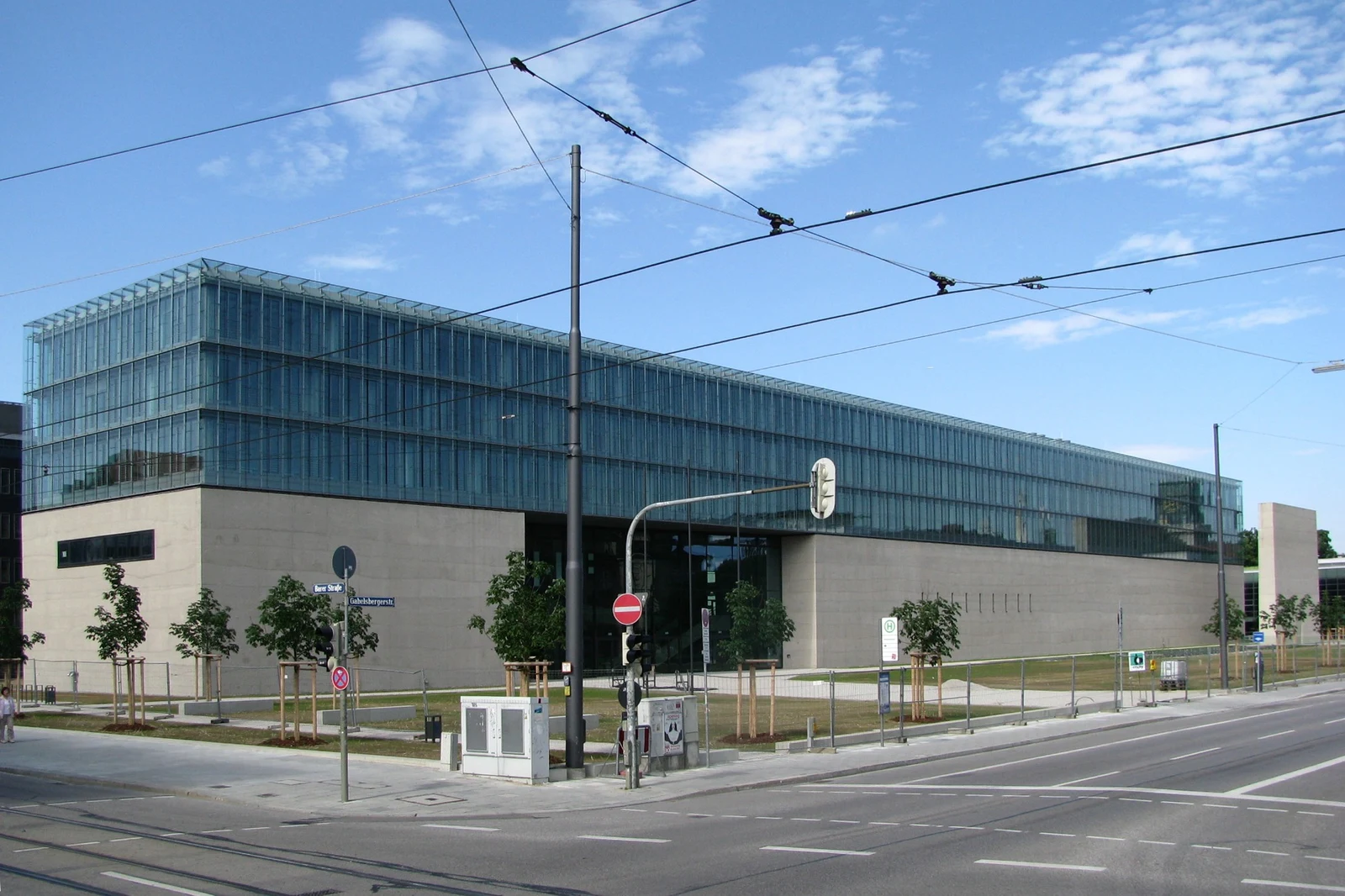
The building shares its underground structure with the Hochschule für Fernsehen und Film (HFF), Munich's film school, which occupies the levels above — an unusual institutional pairing driven by shared infrastructure. The Egyptian collection spans five millennia of art and material culture; the compact, labyrinthine quality of the spaces gives the artefacts a sense of excavated discovery rather than conventional museum display.
The building is physically adjacent to the Alte Pinakothek and within walking distance of all the major Kunstareal institutions. It is best visited with some time to adjust to the underground sequence — the transition from the ordinary street into Böhm's carved stone world takes a few minutes to register properly.
Culture · MuseumArchitecture · Museum Building
More in Munich
Comments
Sign in to leave a comment.
Access conditions may change. Please check current opening and access information with the venue before visiting.
Something wrong or missing?