Visit if Near
Villa Müller
Adolf Loos · 1930
ArchitectAdolf Loos
Year1930
LocationPrague, Czech Republic
Coordinates50.0925° N, 14.3783° E
TypeArchitecture · Modernism, Culture · Museum
StatusVisit if Near
Sign in to save and check in to this place.
About this place
Adolf Loos's 1930 masterpiece in Prague — a white cubic villa embodying his Raumplan concept, with interlocking spaces at different levels in place of conventional floors.
Villa Müller is one of the most consequential residential buildings of the twentieth century. Completed in 1930 for František Müller — co-owner of the Kapsa-Müller construction company — it represents Adolf Loos's most fully realised statement of the Raumplan, the spatial philosophy he had developed over decades.
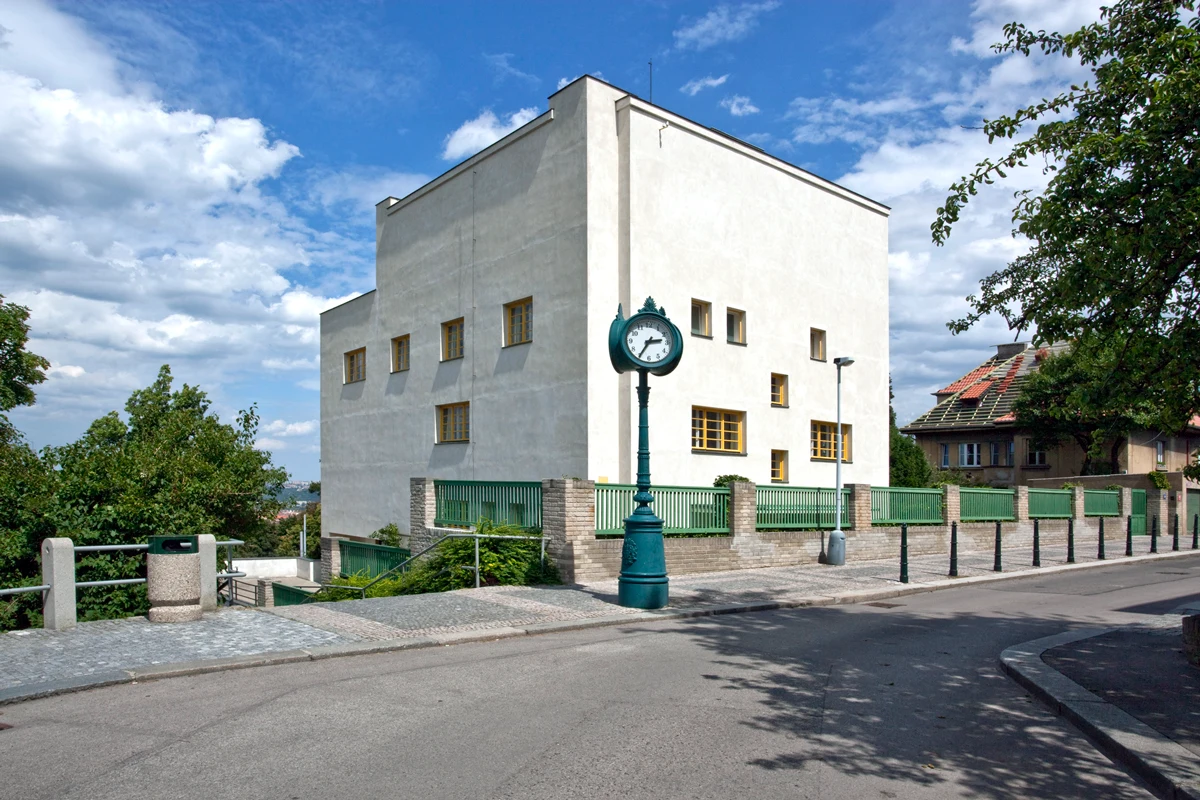
From the street, the villa is studied neutrality: a white cubic volume with smooth unadorned plaster surfaces, windows at irregular heights, a low garden wall, and nothing to signal what lies within. This reticence was deliberate. Loos had argued in "Ornament and Crime" (1908) that decorative surfaces were a waste of human labour, and the exterior of Villa Müller wears that argument literally.
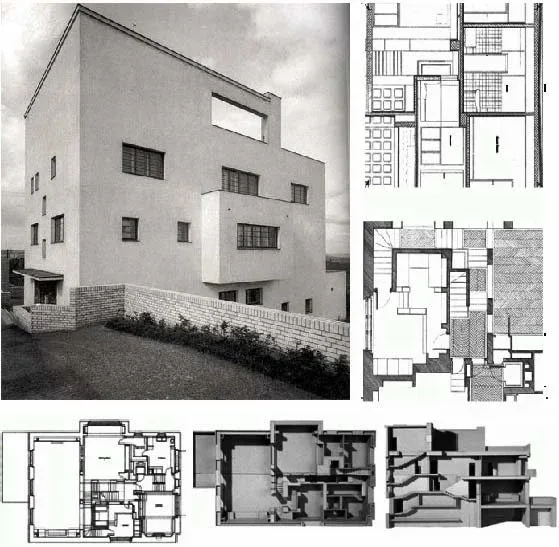
Inside, the logic reverses entirely. The house is built around a central staircase that connects rooms set at six distinct floor levels. The dining room sits several steps below the main salon; the boudoir is above it; the library above that. Each space receives precisely the ceiling height its function demands — intimate for a bedroom, generous for the salon — and each transition reveals a new spatial relationship. Moving through the house, you are perpetually ascending, descending, turning: the building unfolds like a compressed city, dense and surprising, impossible to read from any single vantage point.
The interior materials are rich: Cipolino marble on the salon wall, cherry wood panelling, lemon wood built-ins, Persian rugs. Loos described it as a house that should "say nothing to the exterior" while revealing all its richness within. Here, that is literally and completely realised.
Seized by the communist government in 1948 and converted into worker flats, the villa deteriorated badly before the city of Prague acquired it after 1989. A meticulous restoration returned it to near-original condition, and it has been open as a house-museum since 2000, most of the original furniture and textiles preserved.
Guided tours run in small groups. Book months ahead — the experience, like the building, rewards patience.
Architecture · ModernismCulture · Museum
Comments
Sign in to leave a comment.
Access conditions may change. Please check current opening and access information with the venue before visiting.
Something wrong or missing?