Visit if Near
Lisbon Cruise Terminal
João Luís Carrilho da Graça · 2017
ArchitectJoão Luís Carrilho da Graça
Year2017
LocationLisbon, Portugal
Coordinates38.7104° N, 9.1263° W
TypeArchitecture · Infrastructure
StatusVisit if Near
Sign in to save and check in to this place.
About this place
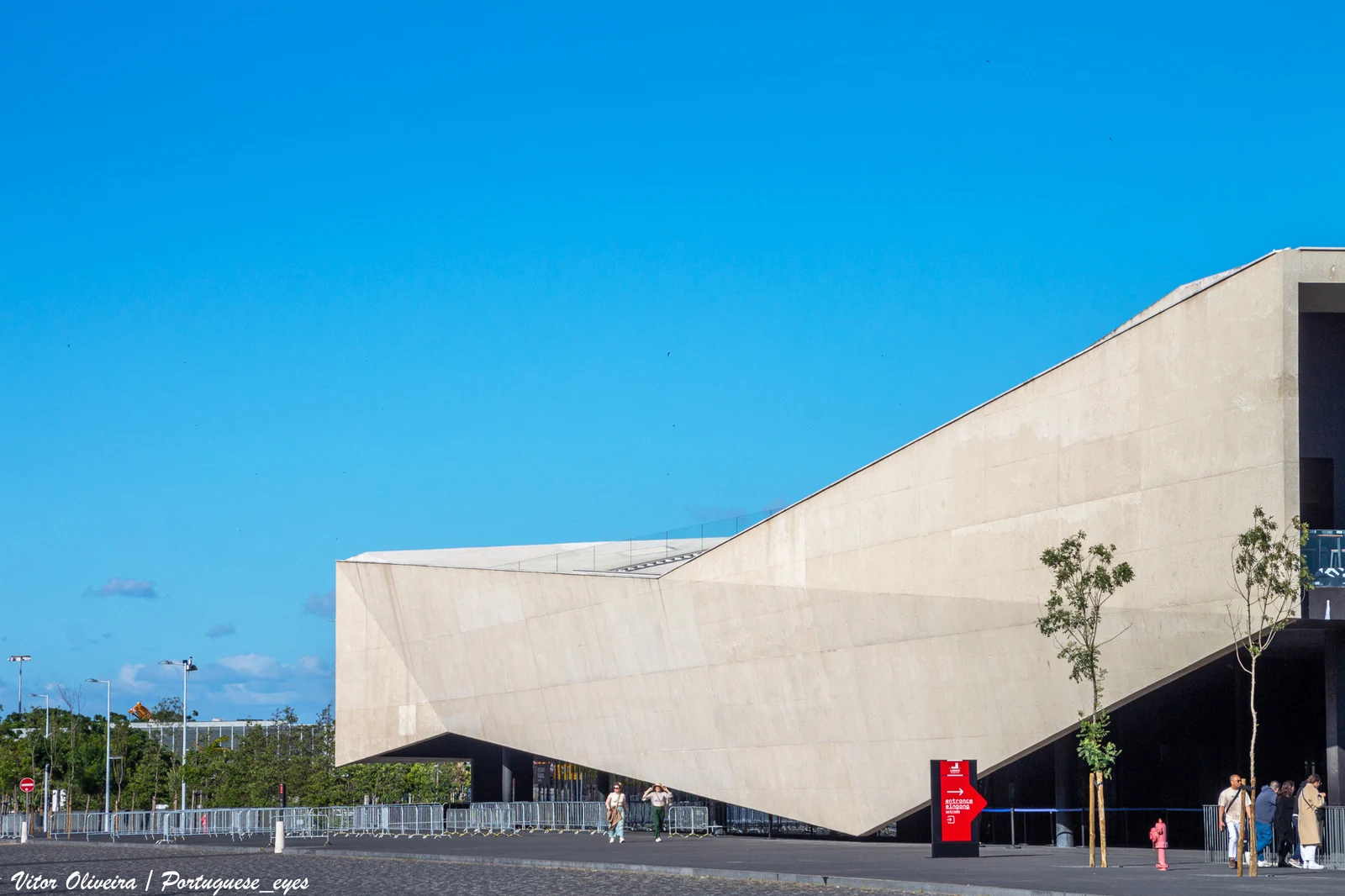
A sweeping white concrete terminal on the Lisbon waterfront, its undulating roofline echoing the swell of the Tagus estuary it opens onto.
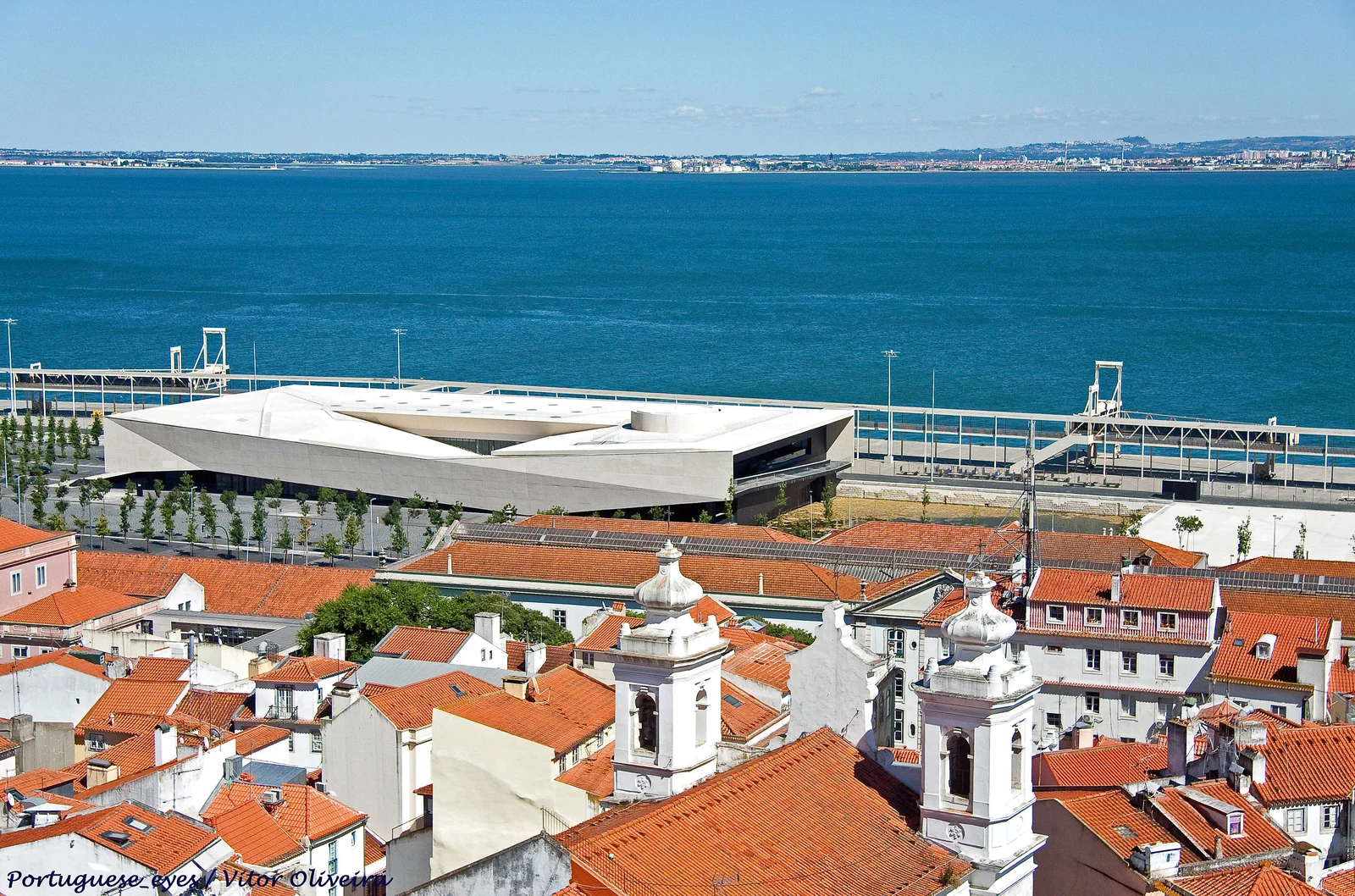
Inaugurated in November 2017, the Lisbon Cruise Terminal by Portuguese architect João Luís Carrilho da Graça sits between the historic Santa Apolónia district and Jardim do Tabaco, on the Tagus riverfront that has defined Lisbon's relationship to the sea for centuries. At 13,800 square metres, served by a pier stretching nearly 1,500 metres, the terminal was built to accommodate the large cruise ships increasingly calling at the city, but its architectural ambition extends well beyond pure infrastructure.
The building's most striking feature is its roof: a continuous, gently undulating white concrete surface that rises and falls in long, shallow waves, deliberately evoking the movement of water and the topography of the estuary itself. Rather than treating a cruise terminal as a purely functional shed, Carrilho da Graça gave it a sculptural presence intended to read clearly from the river and from ships approaching the city — an architectural welcome rather than an anonymous logistics building.
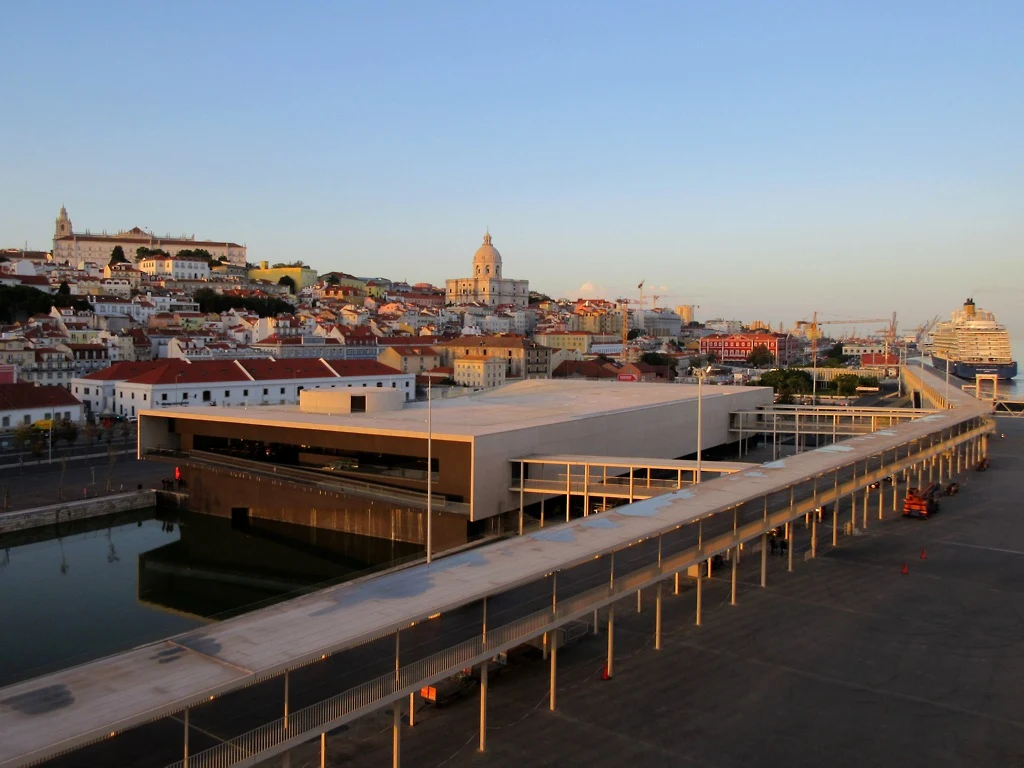
The project forms part of a broader reclaiming of Lisbon's historic waterfront for public and civic use, connecting the terminal's public spaces and terraces to the surrounding riverside promenades. For visitors arriving by sea, it's the first piece of Lisbon architecture they encounter; for those exploring the city on foot, it's a striking modern counterpoint to the pastel facades and tiled buildings of the adjacent Alfama and Santa Apolónia districts.
Architecture · Infrastructure
Nearby places
More in LisbonAll →
Comments
Sign in to leave a comment.
Access conditions may change. Please check current opening and access information with the venue before visiting.
Something wrong or missing?