Worth Visiting
Tel Aviv Museum of Art
Preston Scott Cohen (Herta and Paul Amir Building); Dan Eytan & Yitzchak Yashar (original wing, 1971) · 2011
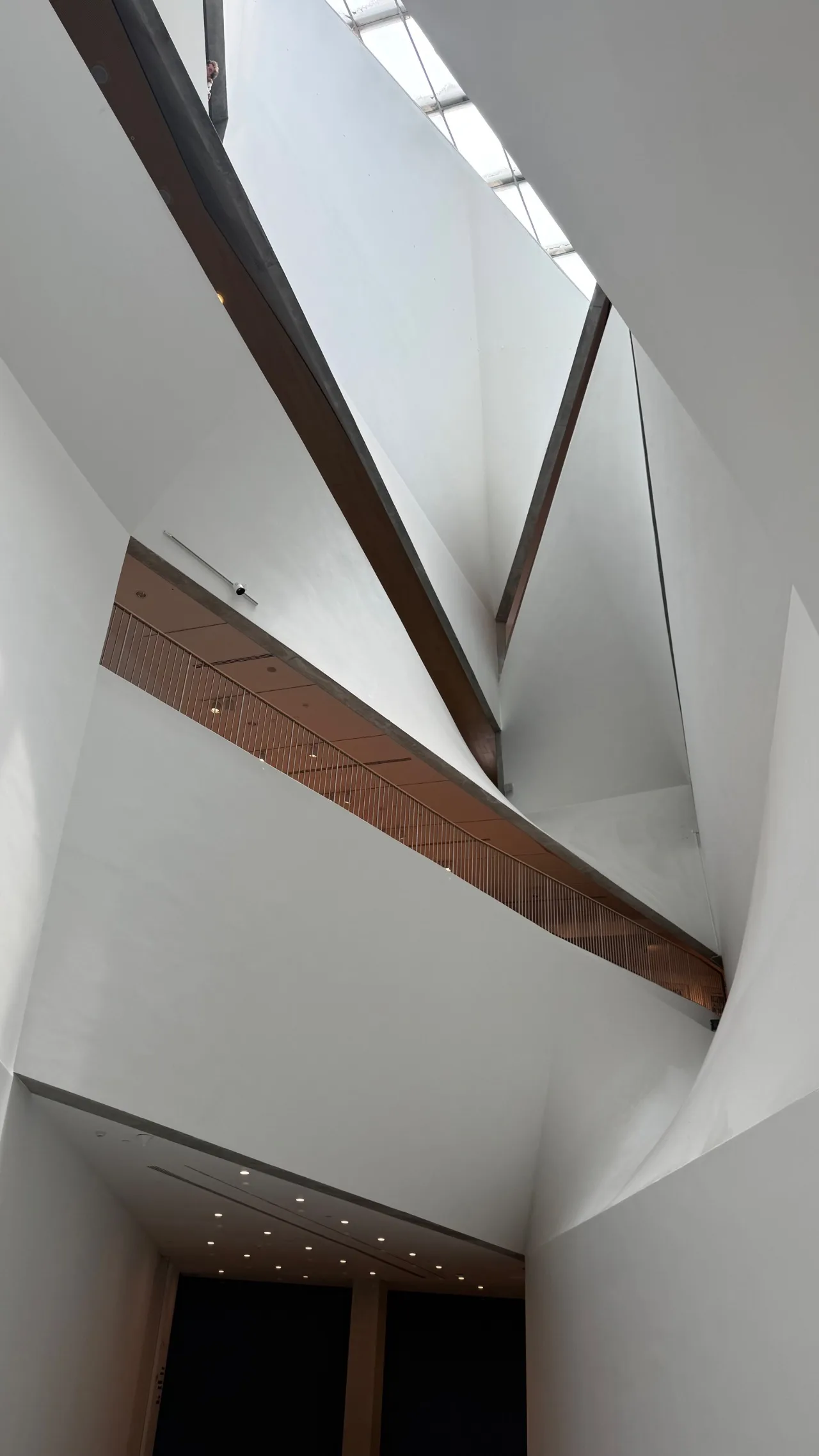
FIG. 01
ArchitectPreston Scott Cohen (Herta and Paul Amir Building); Dan Eytan & Yitzchak Yashar (original wing, 1971)
Year2011
LocationTel Aviv-Yafo, Israel
Coordinates32.0776° N, 34.7866° E
TypeCulture · Museum, Architecture · Museum Building
StatusWorth Visiting
Sign in to save and check in to this place.
About this place
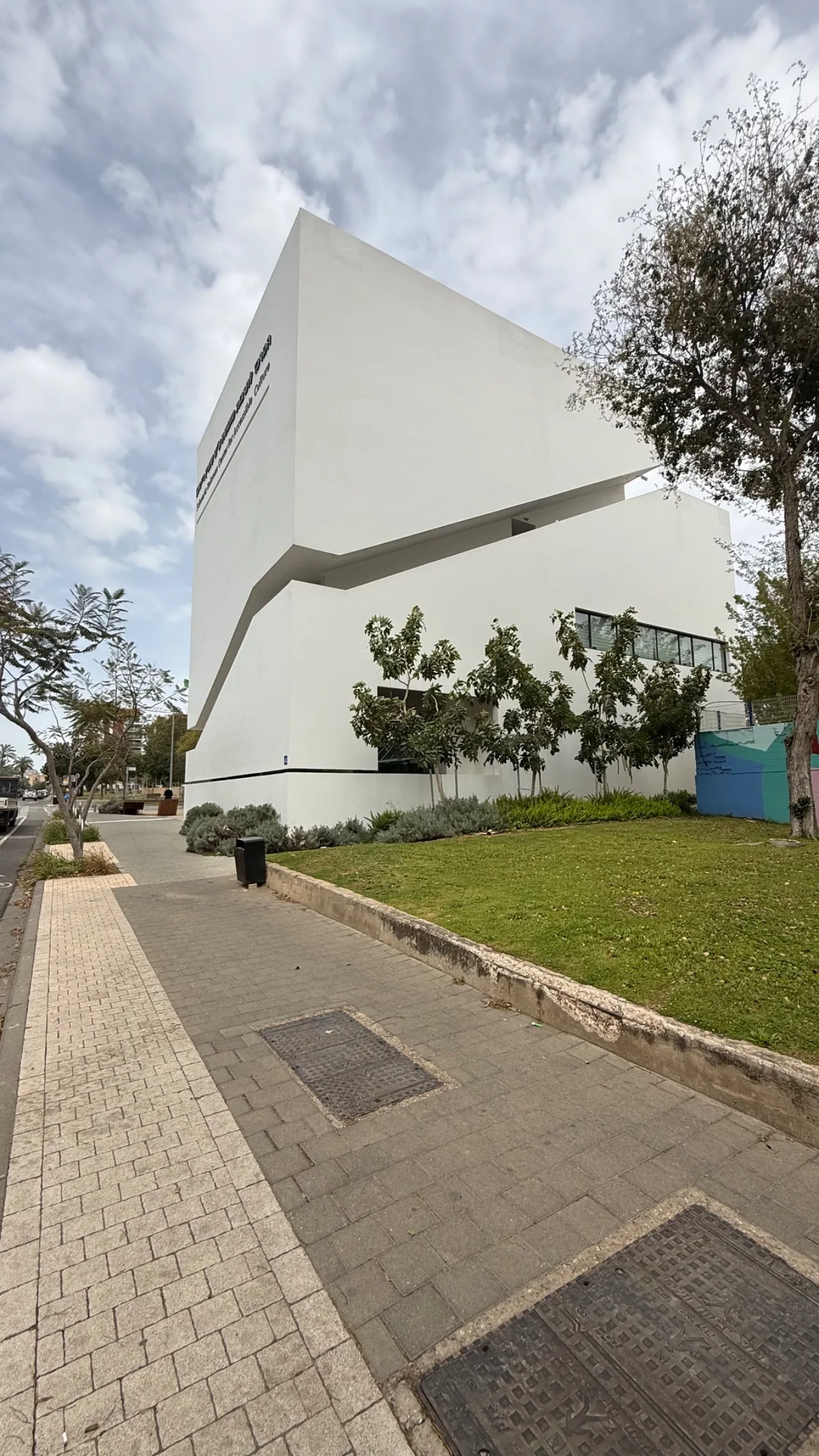
Israel's foremost art museum, anchored by Preston Scott Cohen's 2011 Herta and Paul Amir Building — a tour de force of complex geometry built around the Lightfall, an 87-foot spiraling top-lit atrium.
Founded in 1932, the Tel Aviv Museum of Art relocated to its current campus on Shaul HaMelekh Boulevard in 1971, in a Brutalist building by Dan Eytan and Yitzchak Yashar. The architectural story transformed in 2011 with the Herta and Paul Amir Building by Preston Scott Cohen. The challenge: fit a museum into an awkward triangular site and connect five non-aligned gallery floors. The solution is the Lightfall — an 87-foot-high spiraling concrete atrium defined by hyperbolic parabolic surfaces that twist floor to floor, funneling natural light deep into three underground levels. The result reconciles two museum typologies: optimal neutral white-box galleries and a spectacle building that moves visitors through space.
The collection spans Old Masters through Impressionism — Monet, Pissarro, Boudin — to modern art: Klimt's Friedericke Maria Beer, Kandinsky's Untitled Improvisation V, and an extensive Chagall presence dating to the museum's founding. A 36-work Peggy Guggenheim donation includes Pollock and key Surrealists. Israeli art holdings are among the largest in the world.
The building received numerous international awards after opening, including recognition from the American Institute of Architects. Cohen's ability to introduce light into a largely subterranean structure — without sacrificing the neutral gallery conditions works require — is the central architectural achievement.
Culture · MuseumArchitecture · Museum Building
Comments
Sign in to leave a comment.
Access conditions may change. Please check current opening and access information with the venue before visiting.
Something wrong or missing?