Worth Visiting
Tomáš Baťa Memorial
TRANSAT architekti (restoration); František Lýdie Gahura (original, 1933) · 1933
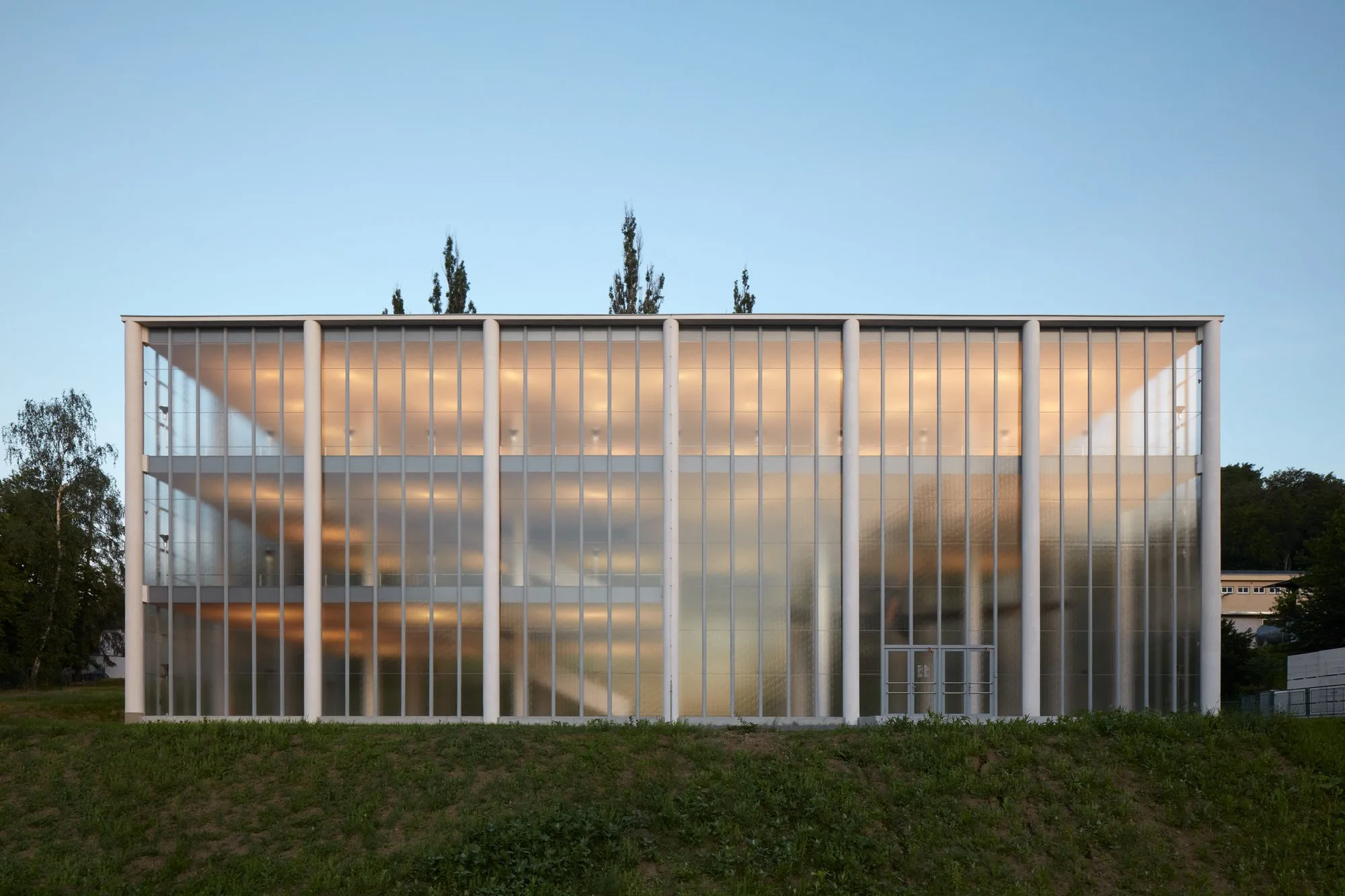
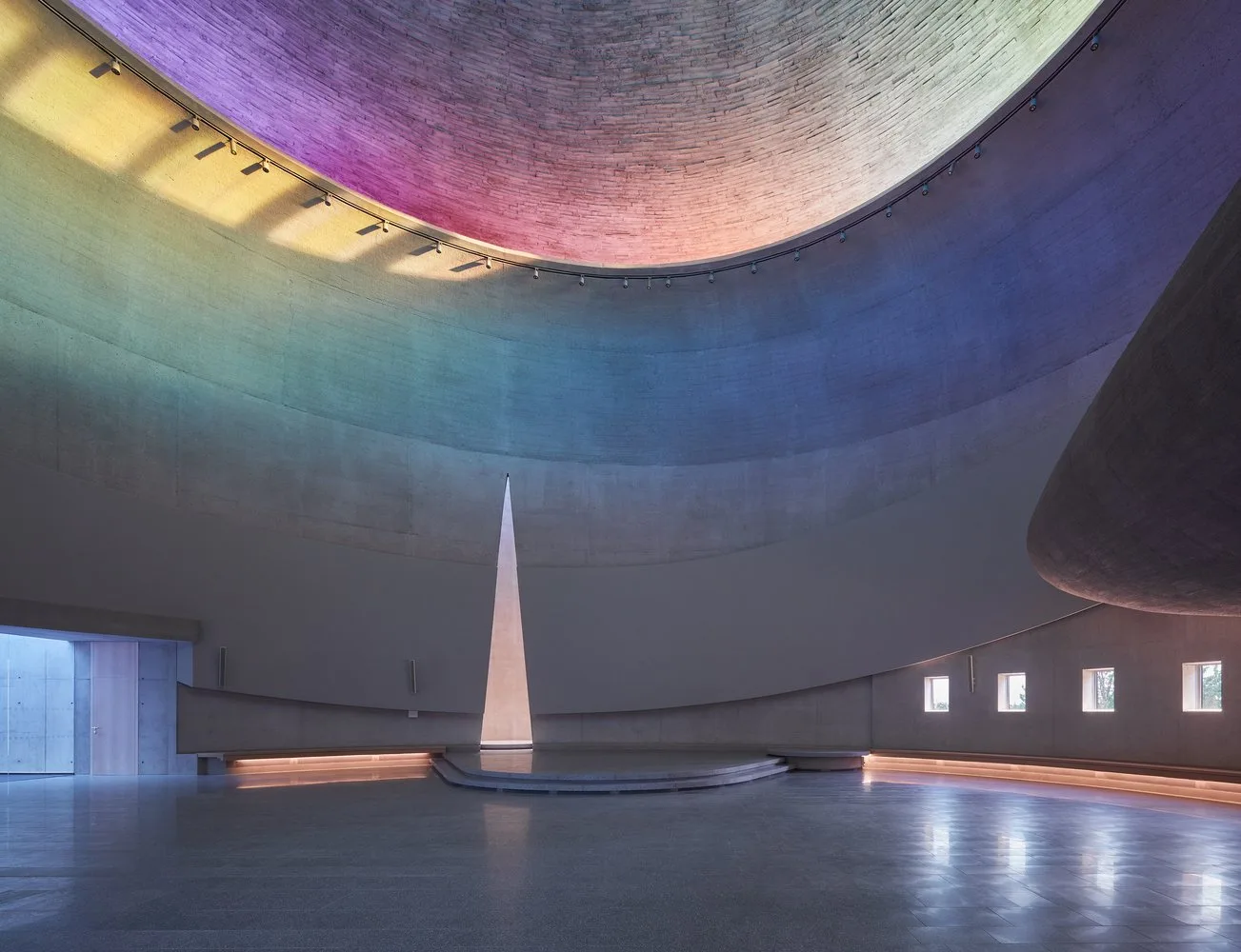
FIG. 01
Photo: BoysPlayNice
ArchitectTRANSAT architekti (restoration); František Lýdie Gahura (original, 1933)
Year1933
LocationZlín, Czech Republic
Coordinates49.2191° N, 17.6658° E
TypePublic Space · Memorial, Architecture · Modernism
StatusWorth Visiting
Sign in to save and check in to this place.
About this place
Functionalist glass-and-concrete memorial to shoe industry pioneer Tomáš Baťa, designed by Gahura in 1933 and restored by TRANSAT architekti in 2019.
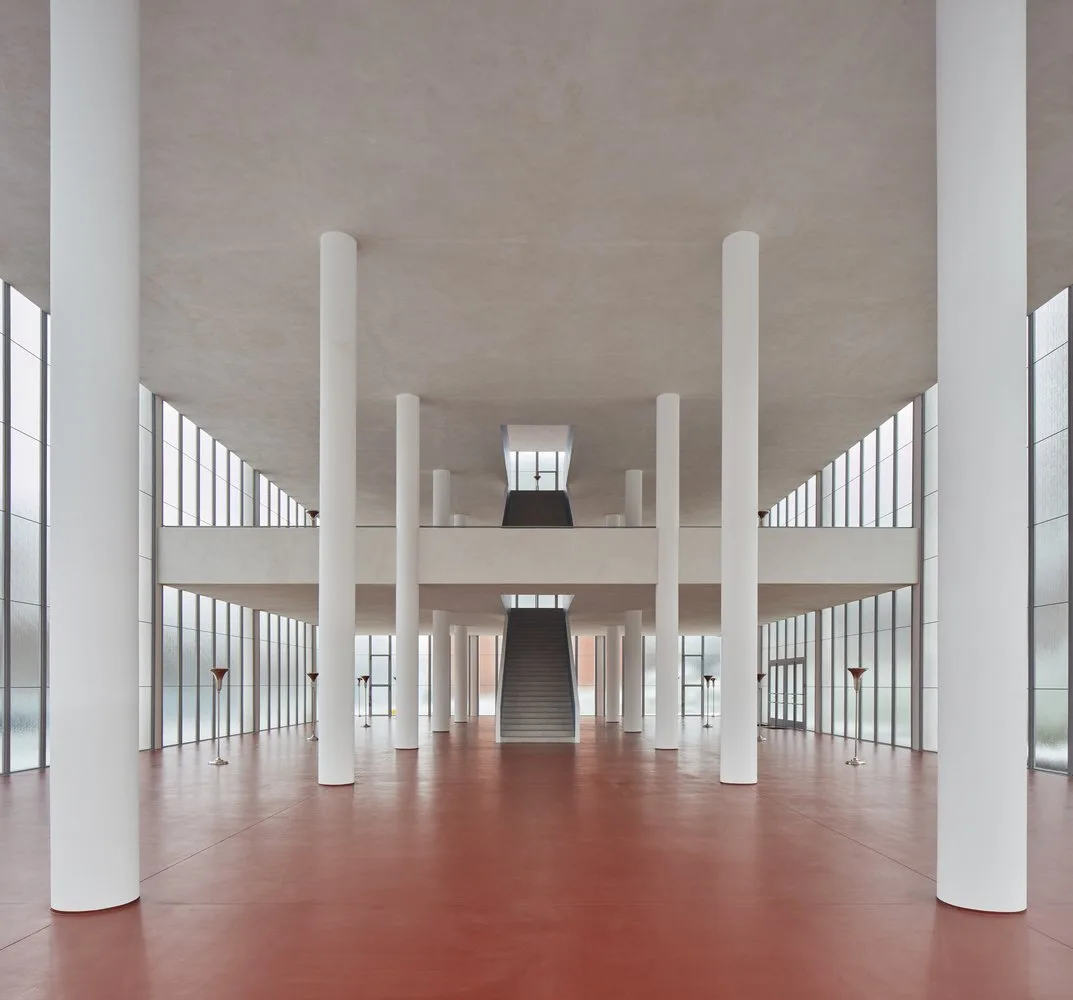
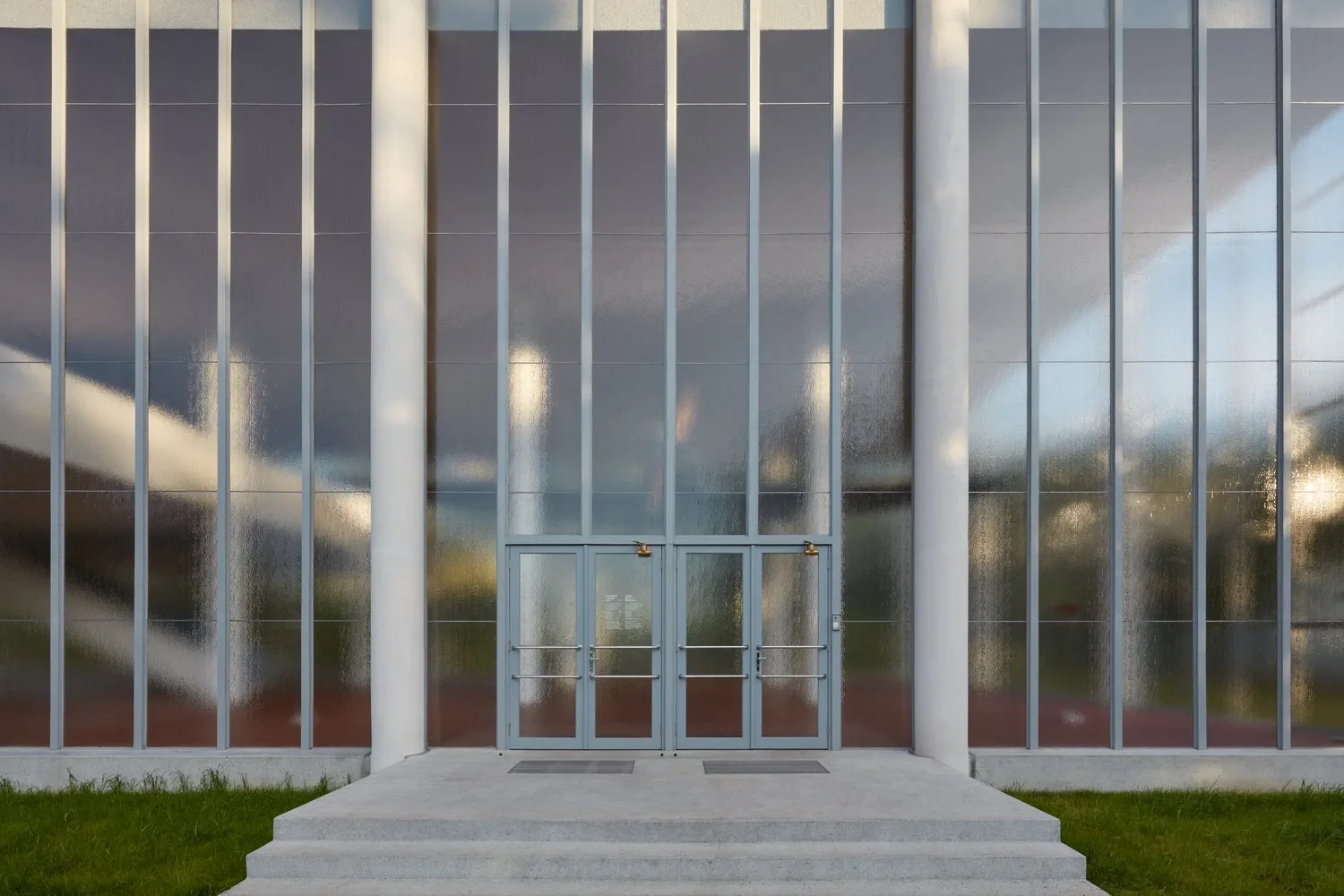
The Tomáš Baťa Memorial sits at the head of a formal park axis above the city centre of Zlín — the model industrial city that Baťa himself planned from the 1920s. Designed by František Lýdie Gahura in 1933, one year after Baťa died in a plane crash at this site, the structure is almost conceptually simple: a glass prism built from the Baťa modular grid of 6.15 × 6.15 metre concrete frames, clad entirely in cathedral glass. It was designed to hold a single object — the Junkers F 13 in which Baťa perished — suspended in a diffuse, even light. Gahura described the qualities he sought as "generosity, clarity, aspiration, optimism, simplicity and honesty," which also happen to be a precise description of the space itself.
Under communism the building was converted into an auditorium, its spatial logic buried under alterations. The 2016–2019 restoration by TRANSAT architekti (led by Petr Všetečka) stripped away those layers and returned the 680 m² volume to its original programme — a serene glass lantern around the salvaged aircraft. The project was funded by the City of Zlín, the Zlín Region, and the Tomáš Baťa Foundation.
What to look for: the way the structural grid repeats the Baťa factory module visible throughout the city; the quality of light through the cathedral glass at different times of day; and the aircraft as a monument to both industrial ambition and sudden loss. The building sits within a Functionalist urban ensemble — the former Baťa department store, the factory complex, and the terraced park — that rewards an extended walk. The memorial is considered the most significant monument of Zlín Constructivism and one of the purest expressions of Functionalist ideals in Central Europe.
Tours run hourly and last approximately 45 minutes. Visiting on a bright morning reveals the full luminous quality of the interior; visiting at dusk turns the glass walls into a glowing lantern visible across the park.
Public Space · MemorialArchitecture · Modernism
Nearby places
More in ZlínAll →
No other places in Zlín yet.
Comments
Sign in to leave a comment.
Access conditions may change. Please check current opening and access information with the venue before visiting.
Something wrong or missing?