Must Visit
Jeju Osulloc Tea Museum
Minsuk Cho / Mass Studies · 2001
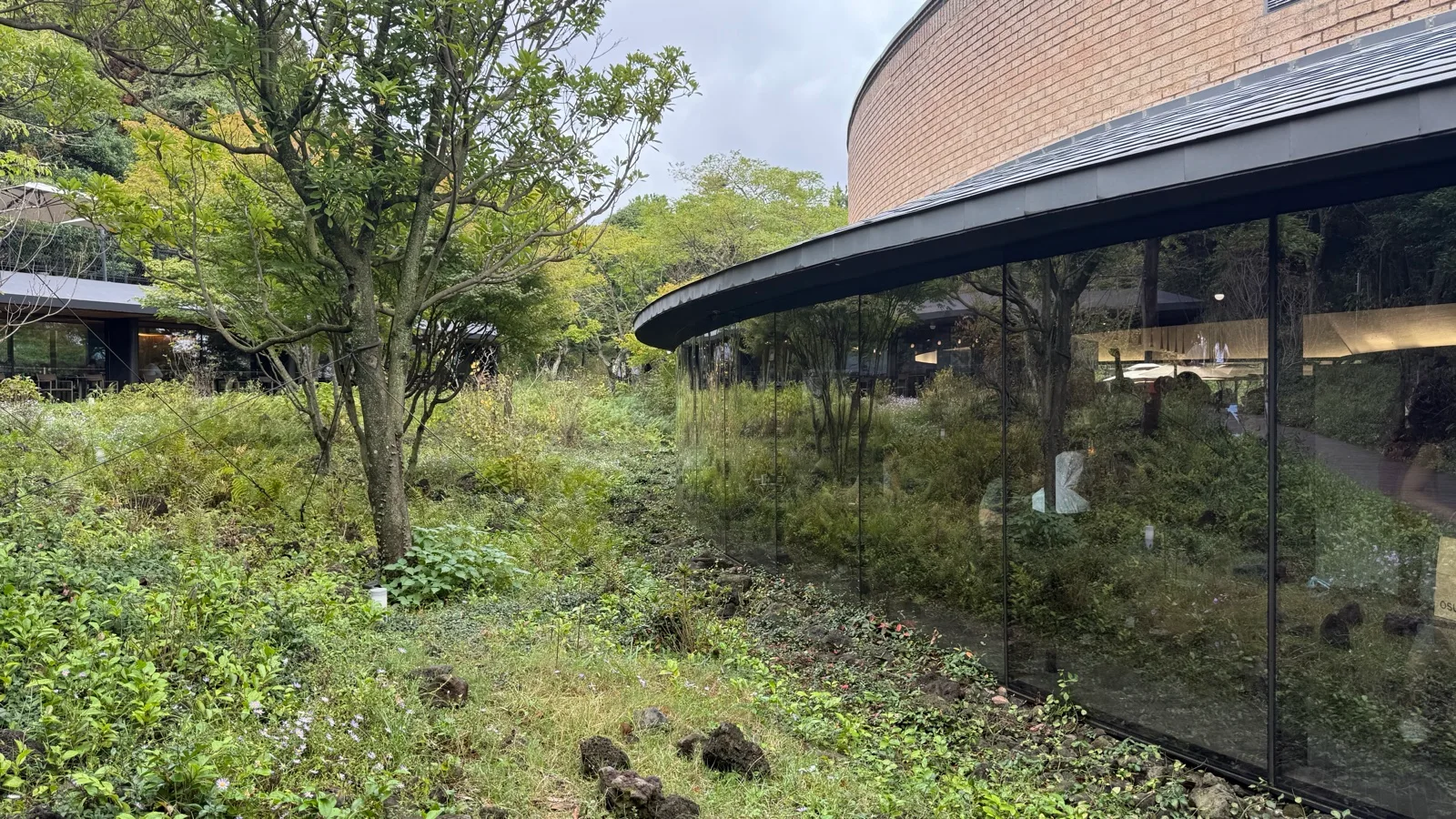
FIG. 01
ArchitectMinsuk Cho / Mass Studies
Year2001
LocationSeogwipo, South Korea
Coordinates33.3043° N, 126.2889° E
TypeRetail · Concept Store
StatusMust Visit
Sign in to save and check in to this place.
About this place
Tea landscape and branded visitor complex in Jeju, shaped by Minsuk Cho/Mass Studies, where pavilions, shops, and cafés unfold around the tea fields.
O’sulloc in Jeju is not best read as a single museum building, but as a layered tea landscape and visitor complex organized around the Seogwang tea fields. Official sources describe the original tea museum, opened in 2001, as the first tea museum in Korea, while later renewal work expanded the site into a small constellation of related buildings and outdoor routes. The result is a destination where architecture, agricultural ground, and brand experience are inseparable.
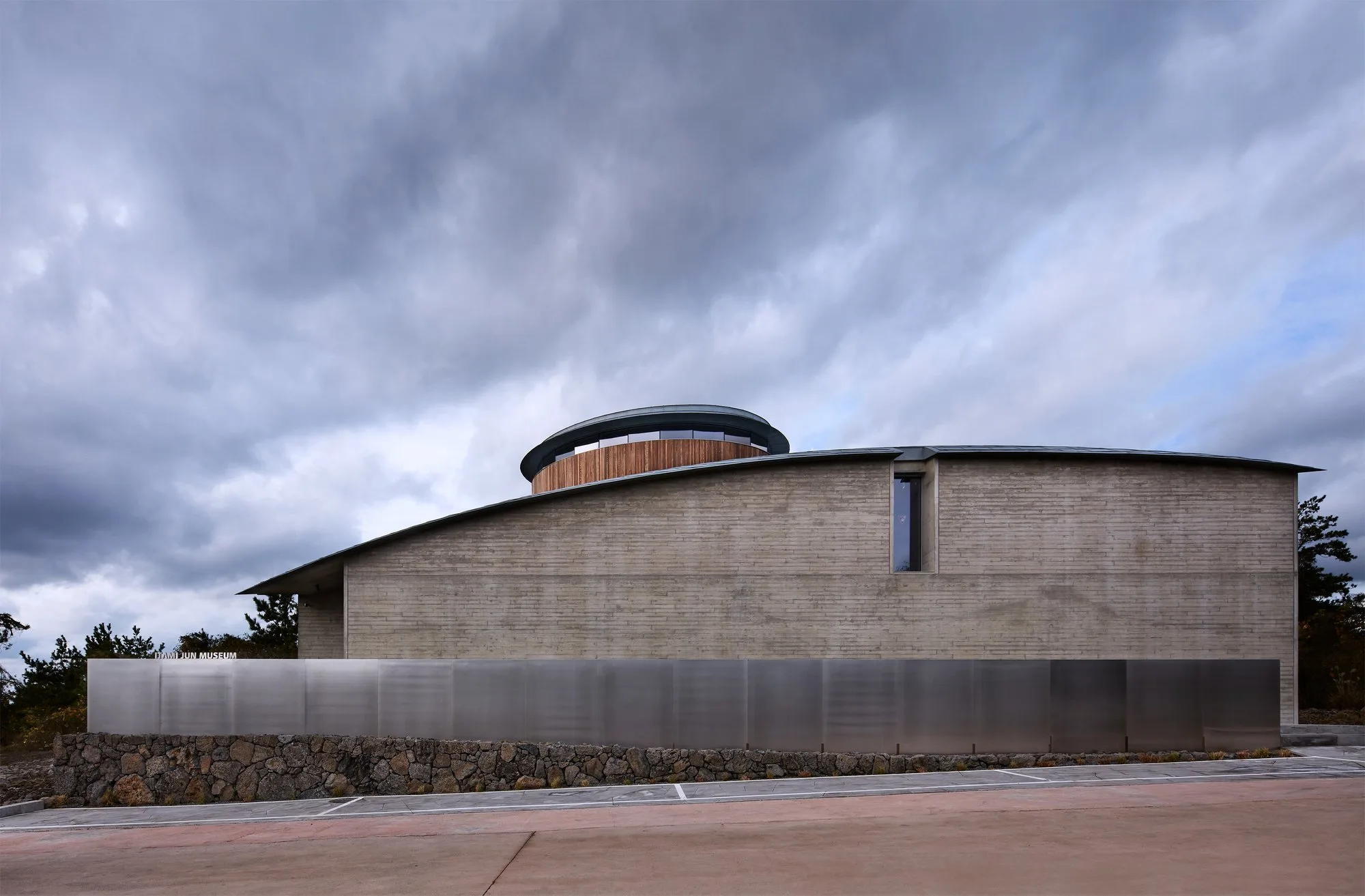
The complex is composed of several low, carefully scaled volumes rather than one monumental object. Different parts of the site — the tea museum, tea café, shop, and adjacent brand-related buildings — are distributed across the landscape so that movement between them becomes part of the experience. The architecture is deliberately quiet, using restrained massing, glazed openings, and material contrasts to keep attention on the tea fields and the changing Jeju light.
Its architectural significance lies in how it frames a cultivated landscape as a public cultural setting. The project turns a working tea plantation into a sequence of pauses, views, and interior thresholds, allowing visitors to read the site as both production landscape and designed destination. In that sense, O’sulloc is less a conventional museum than a landscape-based ensemble of hospitality, retail, and exhibition spaces anchored by the tea fields.
Retail · Concept Store
More in SeogwipoAll →
Comments
Sign in to leave a comment.
Access conditions may change. Please check current opening and access information with the venue before visiting.
Something wrong or missing?