Must Visit
Leça Tidal Pools
Álvaro Siza Vieira · 1966
ArchitectÁlvaro Siza Vieira
Year1966
LocationLeça da Palmeira, Portugal
Coordinates41.2019° N, 8.7030° W
TypeArchitecture · Modernism, Public Space · Waterfront, Landscape · Waterfront Landscape
StatusMust Visit
Sign in to save and check in to this place.
About this place
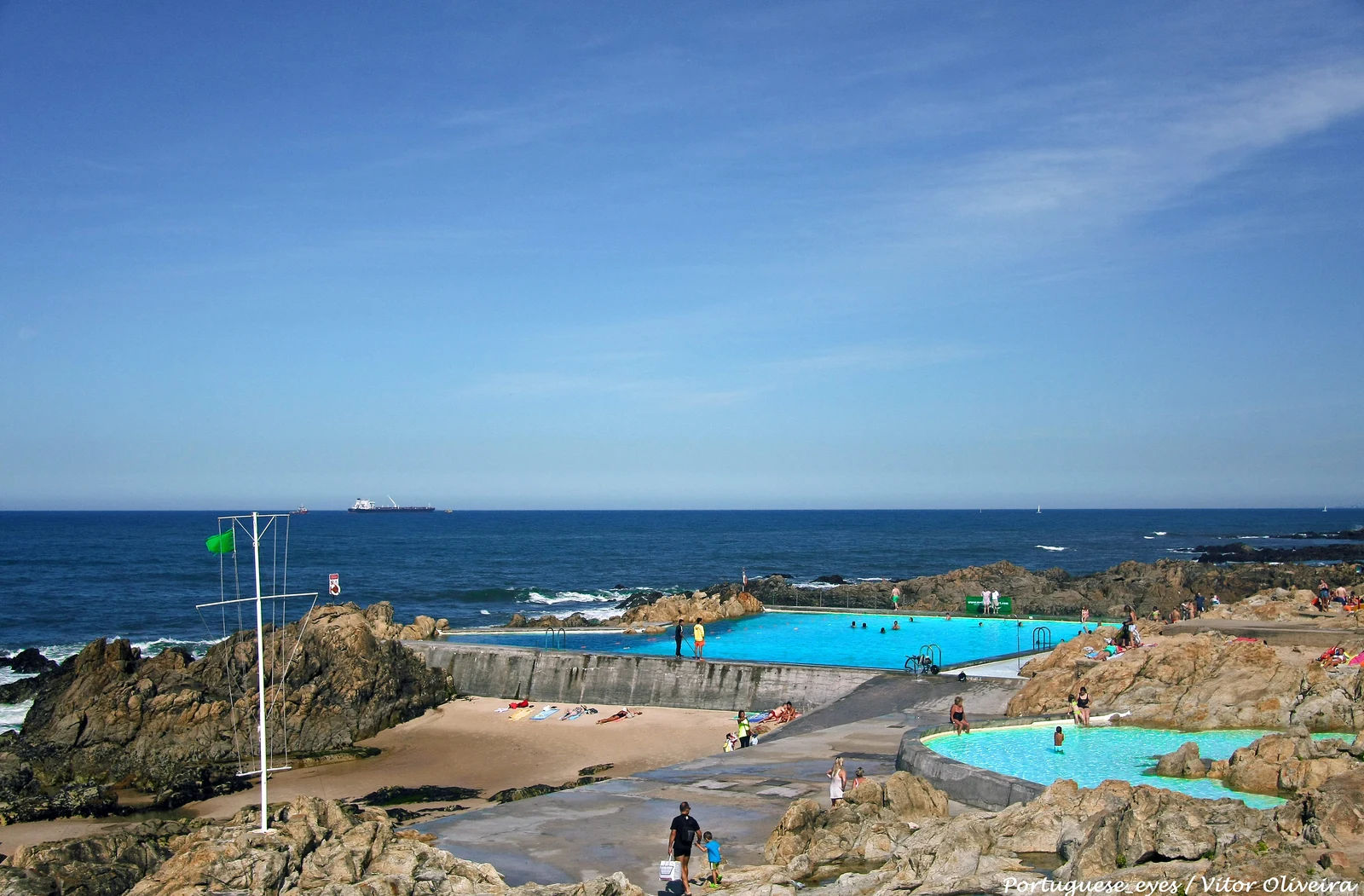
Álvaro Siza Vieira's 1966 tidal pools at Leça da Palmeira — raw concrete terraces cut into the Atlantic shoreline. A national monument and one of the most studied works in 20th-century architecture.
Built between 1961 and 1966, the Leça Tidal Pools are among the most quietly radical works of twentieth-century architecture. Álvaro Siza Vieira was in his early thirties when he designed them, and the project already demonstrates the qualities that would define his career: an extreme sensitivity to site, a refusal of architectural gesture, and a discipline that borders on the ascetic.
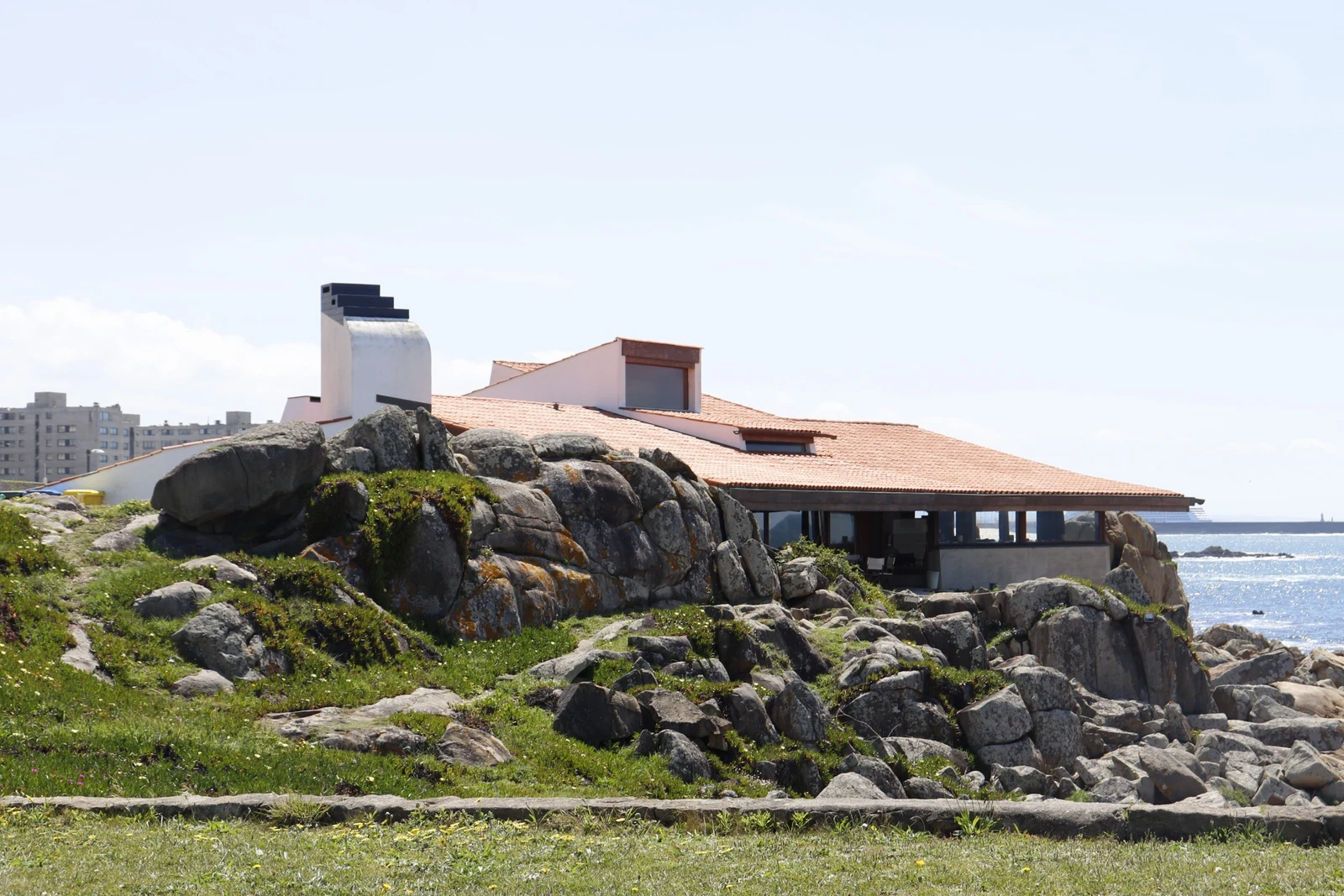
The pools are not buildings so much as a choreographed intervention in the existing landscape. A low concrete boardwalk extends from the road, weaving between the rocks before descending to a sequence of changing rooms — long, narrow, roofless concrete boxes cut into the terrain. From there, the rocky shore opens into two pools formed by concrete walls that tame the Atlantic without pretending to contain it. At high tide, seawater pours over the walls. At low tide, the pools sit calm against the ocean backdrop.
Siza worked with the natural rock formations rather than displacing them — walls align with existing outcrops, walkways follow the contours of the shore. The concrete ages well in this context, acquiring barnacles and salt staining that read as part of the landscape rather than signs of neglect. There is nothing decorative here: no handrails where they aren't needed, no applied finishes, no ornament.
The changing rooms reward close inspection — the way light enters the roofless enclosures at different times of day, the precision of the drainage channels, the relationship between the built wall and the natural rock face beside it. Classified as a national monument in 2006, the pools remain in daily use and are free to visit.
Architecture · ModernismPublic Space · WaterfrontLandscape · Waterfront Landscape
Nearby places
More in Leça da PalmeiraAll →
Comments
Sign in to leave a comment.
Access conditions may change. Please check current opening and access information with the venue before visiting.
Something wrong or missing?