Worth Visiting
Maison La Roche
Le Corbusier · 1925
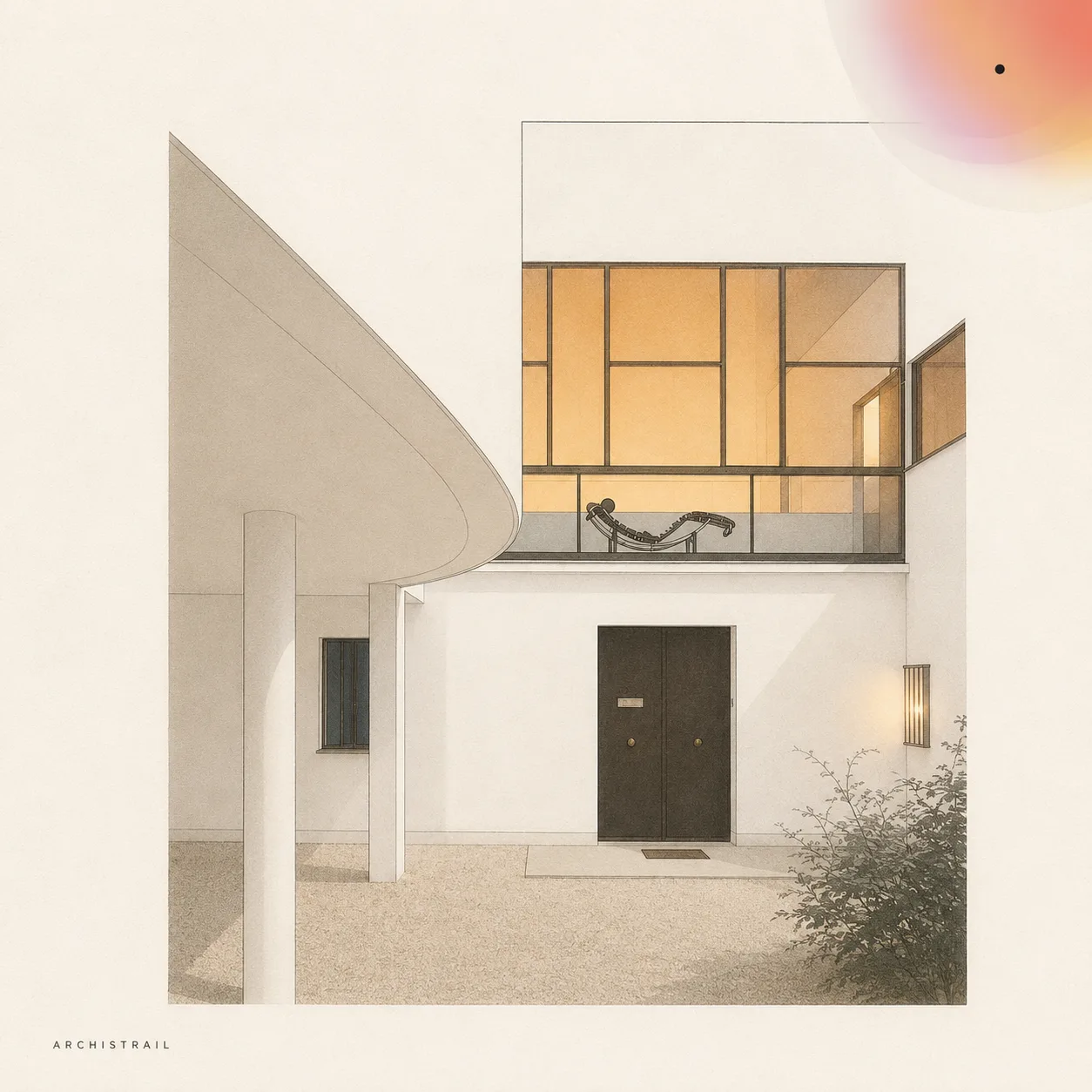
FIG. 01
ArchitectLe Corbusier
Year1925
LocationParis, France
Coordinates48.8507° N, 2.2664° E
TypeArchitecture · Modernism, Interior · Residential Interior
StatusWorth Visiting
Sign in to save and check in to this place.
About this place
Le Corbusier's 1925 Parisian villa — a promenade architecturale in miniature, now home to the Fondation Le Corbusier and its archive.
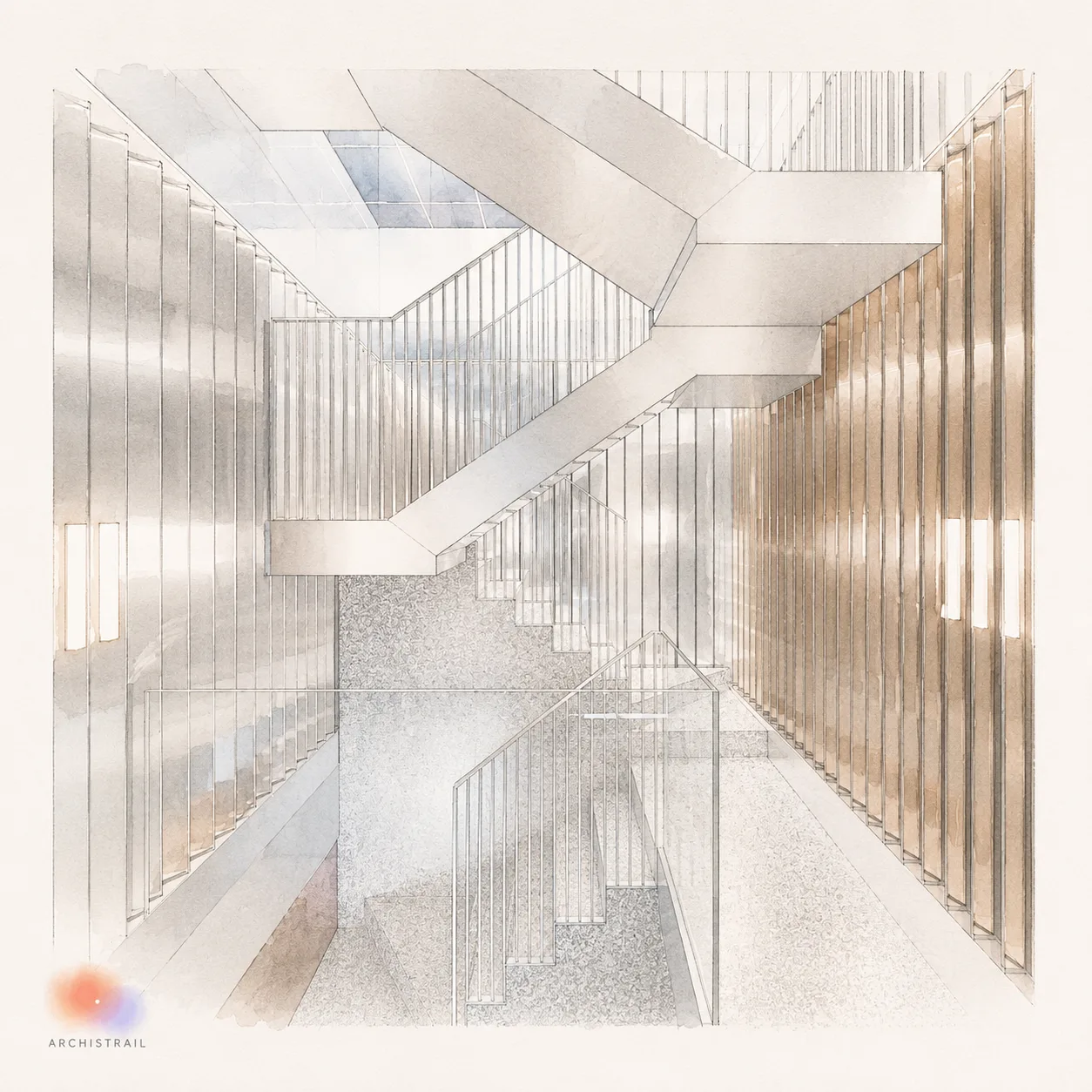
Maison La Roche is the earliest surviving realisation of Le Corbusier's idea of the promenade architecturale — the notion that a building should be experienced as a sequence of spatial events unfolding through movement rather than a series of static rooms.
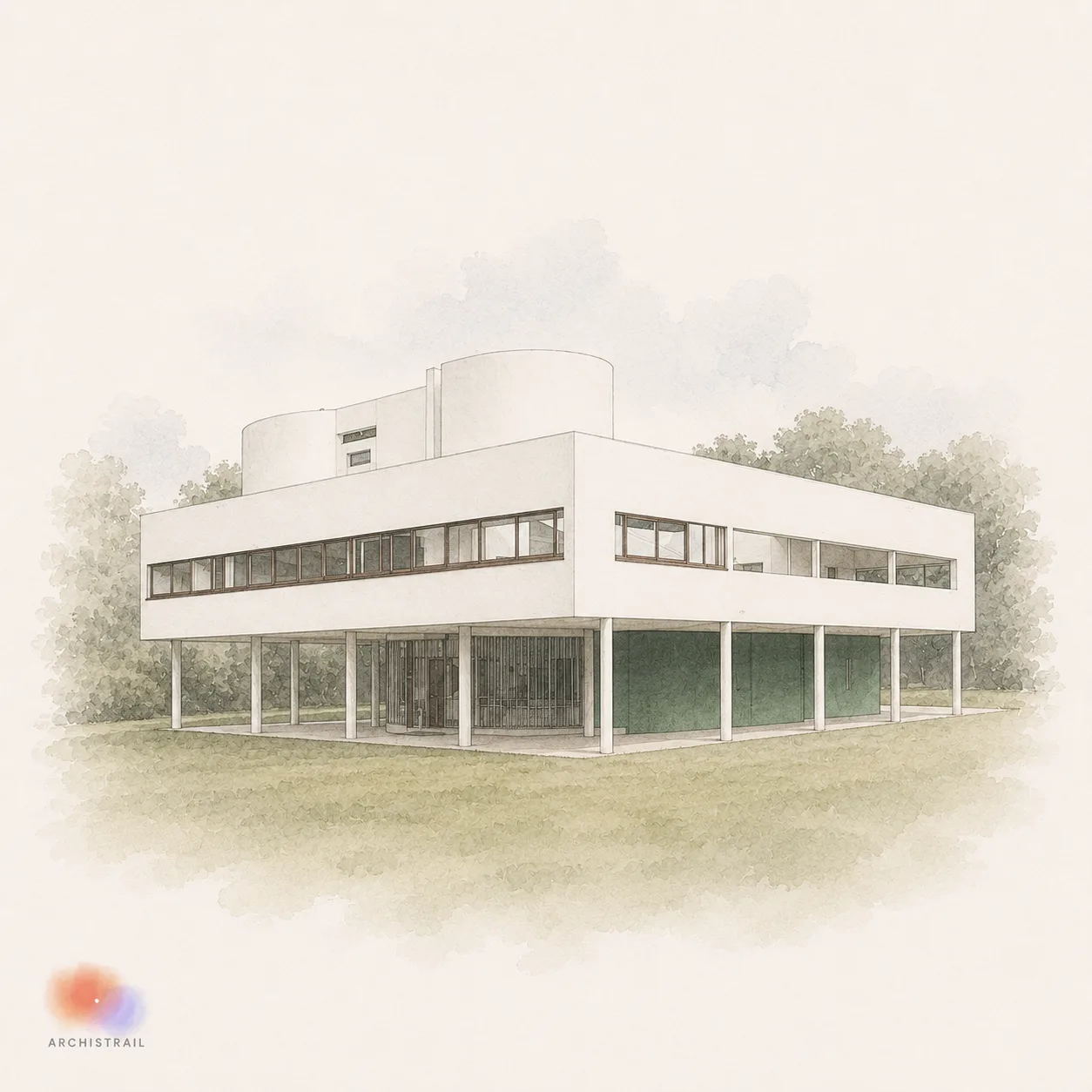
Built in 1923–1925 for Swiss banker Raoul La Roche, the house comprises two adjoined volumes: the more conventional Maison Jeanneret (designed for Le Corbusier's brother) and the more adventurous La Roche wing, which contains a grand two-storey gallery hall with a curved walkway suspended above it. This ramp — anticipating Villa Savoye's promenade by nearly a decade — carries you from the entrance up through the gallery and out to a roof terrace, space unfolding continuously rather than resolving into rooms.
The building is modest in scale but richly detailed, with polychrome walls (Le Corbusier selected the colours), built-in furniture, and a relationship between interior and garden that feels genuinely modern. Purism paintings by Léger and Ozenfant hung here when La Roche lived in it; his collection, now dispersed, shaped the architecture.
Since 1968 the building has housed the Fondation Le Corbusier, which maintains the archive and offers guided visits. The gallery is a small, dense space that rewards careful attention — as much a theoretical document as a house.
Architecture · ModernismInterior · Residential Interior
Nearby places
More in ParisAll →
Comments
Sign in to leave a comment.
Access conditions may change. Please check current opening and access information with the venue before visiting.
Something wrong or missing?