Must Visit
Shelter for Roman Ruins
Peter Zumthor · 1986
ArchitectPeter Zumthor
Year1986
LocationChur, Switzerland
Coordinates46.8468° N, 9.5259° E
TypeCulture · Museum, Architecture · Museum Building
StatusMust Visit
Sign in to save and check in to this place.
About this place
Peter Zumthor's 1986 timber lamella shelters enclose in situ Roman ruins in Chur's old town — an early masterwork of material precision and atmospheric restraint.
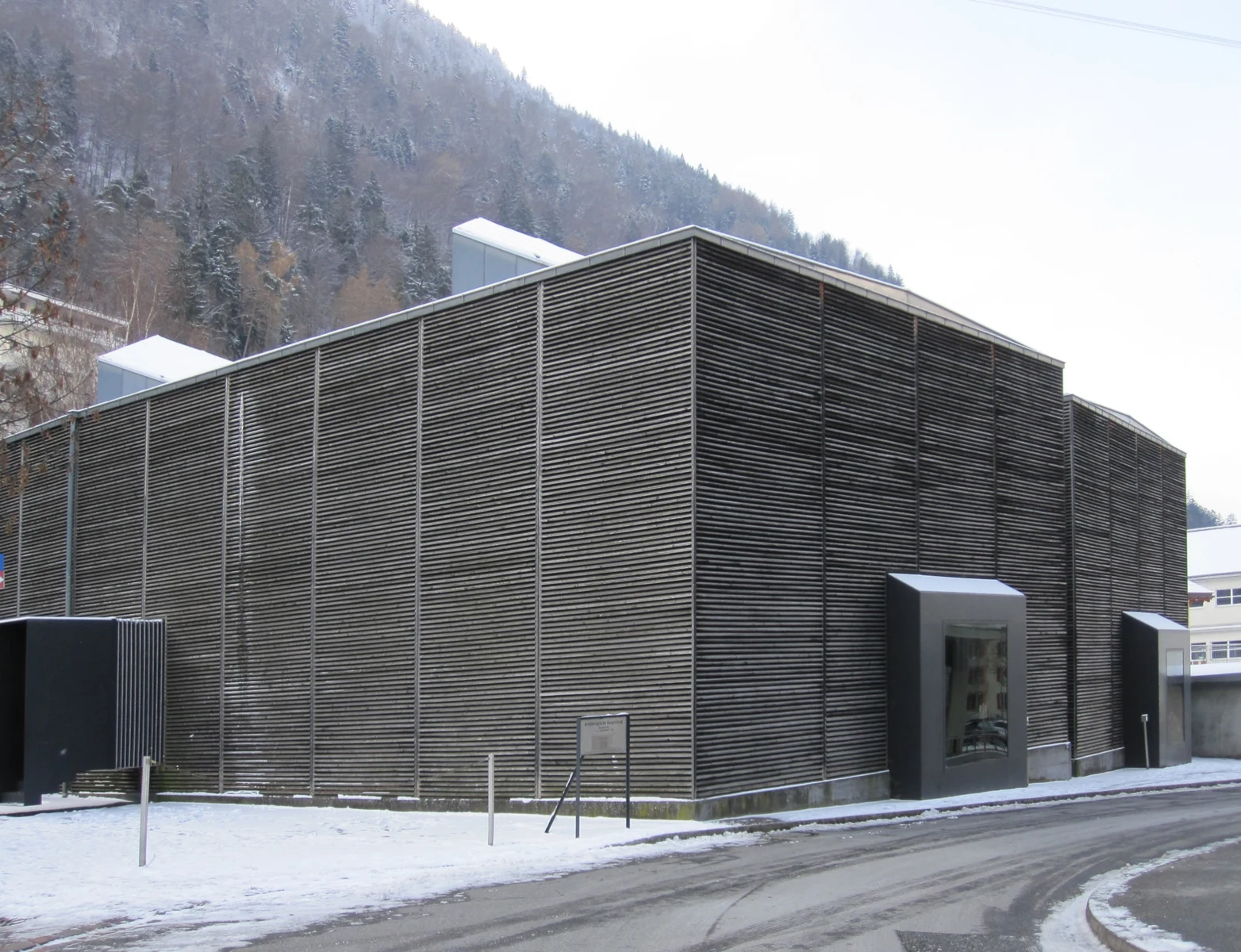
The Shelter for Roman Ruins is one of Peter Zumthor's earliest built works, completed in 1986 in the Welschdörfli quarter of Chur, where excavations uncovered remains of Curia Raetorum — the Roman settlement that gave the city its name. Three timber enclosures with horizontal larch lamella walls trace the irregular footprints of the archaeological finds below: walls, floor levels, and fragile mural fragments preserved in situ.
The lamellae allow natural ventilation and produce a controlled, filtered quality of light that reveals the ruins without theatrical illumination. Visitors move along a suspended steel walkway that hovers above the excavated surfaces, creating a palpable sensation of stepping across time while keeping the fragile archaeology underfoot intact. Coloured metal skylights shift the hue of incoming daylight just enough to mark the threshold between street and shelter.
From the outside, the slatted walls read as semi-transparent screens — present in the urban fabric but calibrated for restraint. The horizontal grain of aged larch gives the volumes a quiet authority; they sit in the neighbourhood like structures that have always belonged there. Every material decision is modern and legible as such, yet the atmosphere produced is one of deep temporal stillness that bridges Roman ground and the contemporary city.
Zumthor often cites this project as the beginning of his mature architectural language. The contrast between the warmth of larch and the cold fragments of ancient masonry below creates a dialogue across centuries that rewards sustained attention. Concrete footings align with Roman building outlines exactly, allowing the intervention to remain theoretically reversible.
The shelters are listed as a cultural site of national importance in Switzerland and received the Prize for Good Buildings in Graubünden in 1987. Entry requires collecting a key from the Chur tourism information office — a deliberate threshold that preserves the reflective character of the experience.
Culture · MuseumArchitecture · Museum Building
More in ChurAll →
Comments
Sign in to leave a comment.
Access conditions may change. Please check current opening and access information with the venue before visiting.
Something wrong or missing?