Must Visit
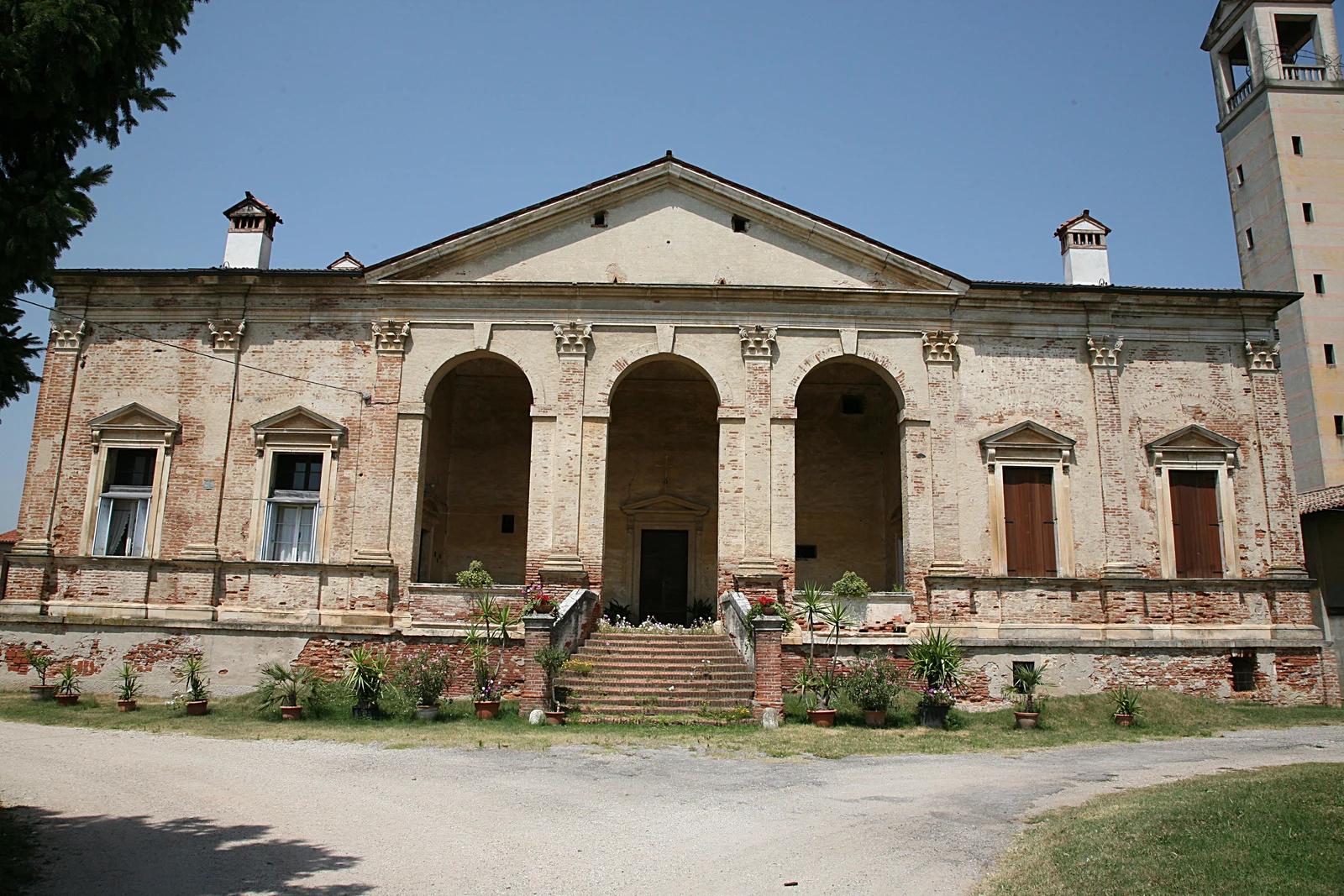
Villa la Rotonda
Andrea Palladio · 1592
ArchitectAndrea Palladio
Year1592
LocationVicenza, Italy
Coordinates45.5315° N, 11.5603° E
TypeArchitecture · Historic Architecture
StatusMust Visit
Sign in to save and check in to this place.
About this place
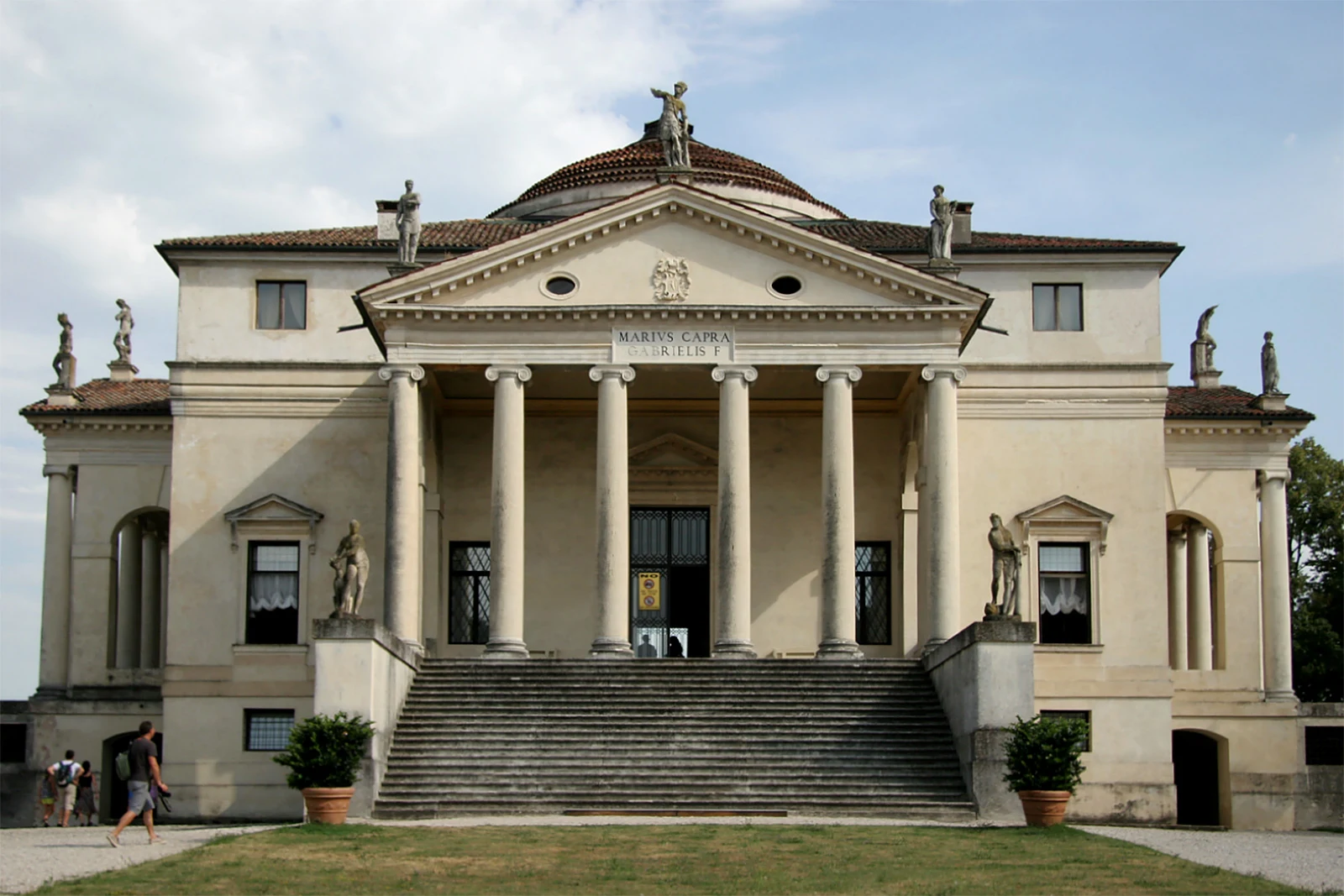
Palladio's most famous villa — a perfectly symmetrical domed square with an Ionic portico on all four sides, the ultimate source for centuries of neoclassical revival.
Begun in 1567 for a retired priest, Villa Almerico Capra — universally known as La Rotonda — is Andrea Palladio's most celebrated and most imitated building, and one of the purest expressions of Renaissance ideals of geometric perfection in domestic architecture. Sited on a low hill just outside Vicenza, the villa is a perfect square in plan, crowned by a central dome, with an identical Ionic temple-front portico projecting from each of its four facades — so that the building presents the same monumental face to every point of the compass.
The plan radiates outward from a central circular hall beneath the dome (the source of the 'Rotonda' nickname), with symmetrical suites of rooms filling each quadrant. Palladio's ambition was less a comfortable family home than an architectural demonstration: proof that the temple front, previously reserved for sacred buildings, could dignify a private residence, and that pure geometric symmetry could itself be a source of beauty independent of function. The villa was completed after Palladio's death by Vincenzo Scamozzi, who adjusted the dome's proportions.
La Rotonda's influence is difficult to overstate — it is the direct ancestor of countless domed, porticoed villas and civic buildings across Europe and North America, from English Palladian country houses to Thomas Jefferson's Monticello. Together with the other Palladian villas of the Veneto, it forms a UNESCO World Heritage site, and remains a essential pilgrimage for anyone tracing the roots of Western classical revival architecture.
Architecture · Historic Architecture
More in VicenzaAll →
Comments
Sign in to leave a comment.
Access conditions may change. Please check current opening and access information with the venue before visiting.
Something wrong or missing?