Must Visit
Itami Jun Water Museum
Itami Jun (Yoo Dong-ryong) · 2006
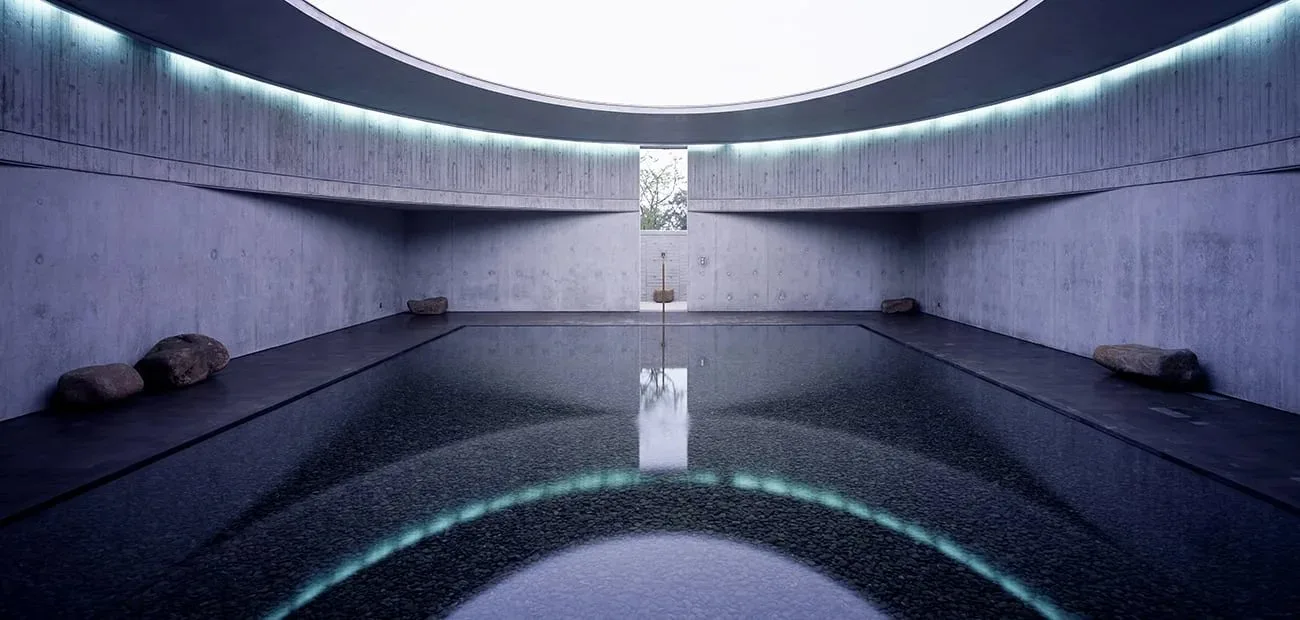
FIG. 01
ArchitectItami Jun (Yoo Dong-ryong)
Year2006
LocationSeogwipo, South Korea
Coordinates33.3614° N, 126.8278° E
TypeCulture · Museum, Architecture · Contemporary Architecture
StatusMust Visit
Sign in to save and check in to this place.
About this place
Itami Jun's meditative Water Museum on Jeju Island — one of four elemental pavilions (water, wind, stone, earth) set in volcanic landscape, where reflecting pools and basalt walls make silence spatial.
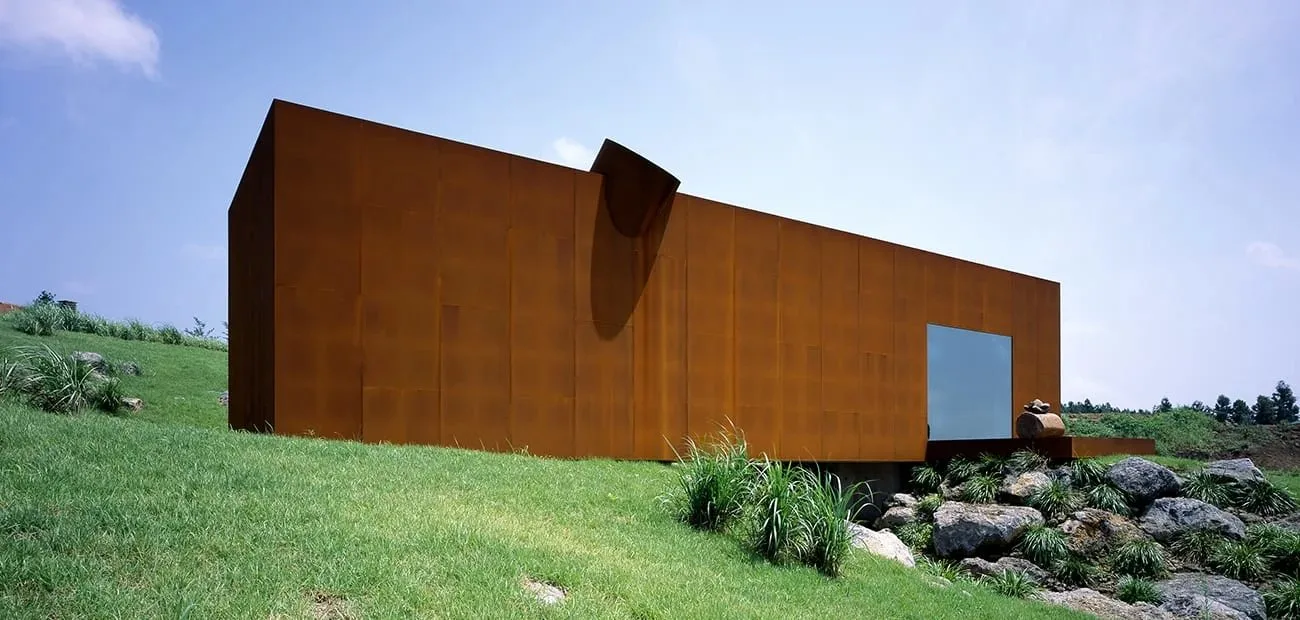
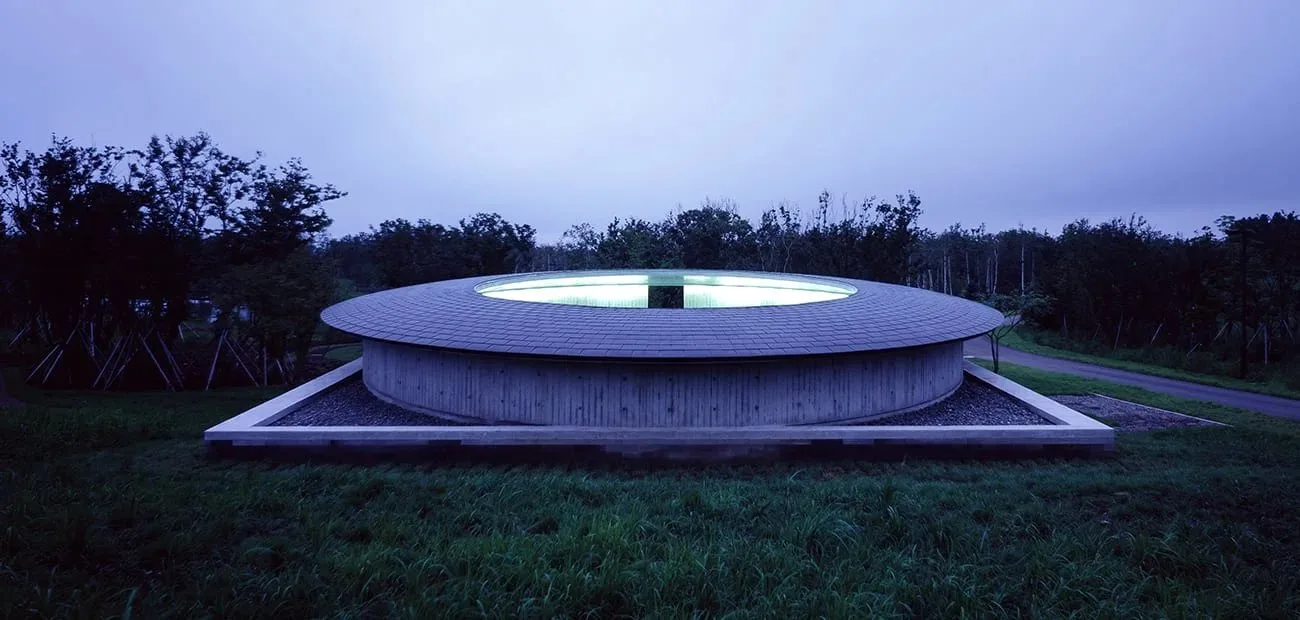
The Water Museum is one of four small pavilions that Korean-Japanese architect Itami Jun (born Yoo Dong-ryong, 1937–2011) built on the grounds of what is now the Bonte Museum complex in eastern Jeju Island. The four museums — Water, Wind, Stone, Earth — are distributed across a volcanic basalt landscape and connected by a path through the surrounding farm fields and low forest.
The Water Museum is the most resolved of the four. It is essentially two interlocking spaces: an exterior pool where the surface of still water functions as the primary architectural element, reflecting the sky and the basalt walls that contain it; and a smaller interior room where the sound of water moving through a channel and the diffused light from above create a meditative atmosphere that is almost entirely independent of programme. There is nothing to see in the conventional museum sense — the building is the content.
Itami Jun's work belongs to a tradition of contemplative modern architecture that connects to Louis Kahn's use of light and silence, but the specific material choices — dark basalt, water, minimal openings — are rooted in the landscape of Jeju and in the architect's identity as someone who negotiated between Japanese modernism and Korean material culture throughout his career.
The journey to the site is part of the experience. The drive across the basalt plains of eastern Jeju, through small agricultural villages, to arrive at buildings that sit in the landscape without announcing themselves — this approach is deliberate. Allow a full morning or afternoon for the Bonte Museum complex, walking all four pavilions in sequence.
Culture · MuseumArchitecture · Contemporary Architecture
More in SeogwipoAll →
Comments
Sign in to leave a comment.
Access conditions may change. Please check current opening and access information with the venue before visiting.
Something wrong or missing?