Must Visit
Barcelona Pavilion
Mies van der Rohe · 1929 / 1986
ArchitectMies van der Rohe
Year1929 / 1986
LocationBarcelona, Spain
Coordinates41.3706° N, 2.1502° E
TypeArchitecture · Modernism, Culture · Exhibition Space
StatusMust Visit
Sign in to save and check in to this place.
About this place
Mies van der Rohe's 1929 German Pavilion, rebuilt in 1986 — a seminal work of modern architecture in travertine, marble, and glass.
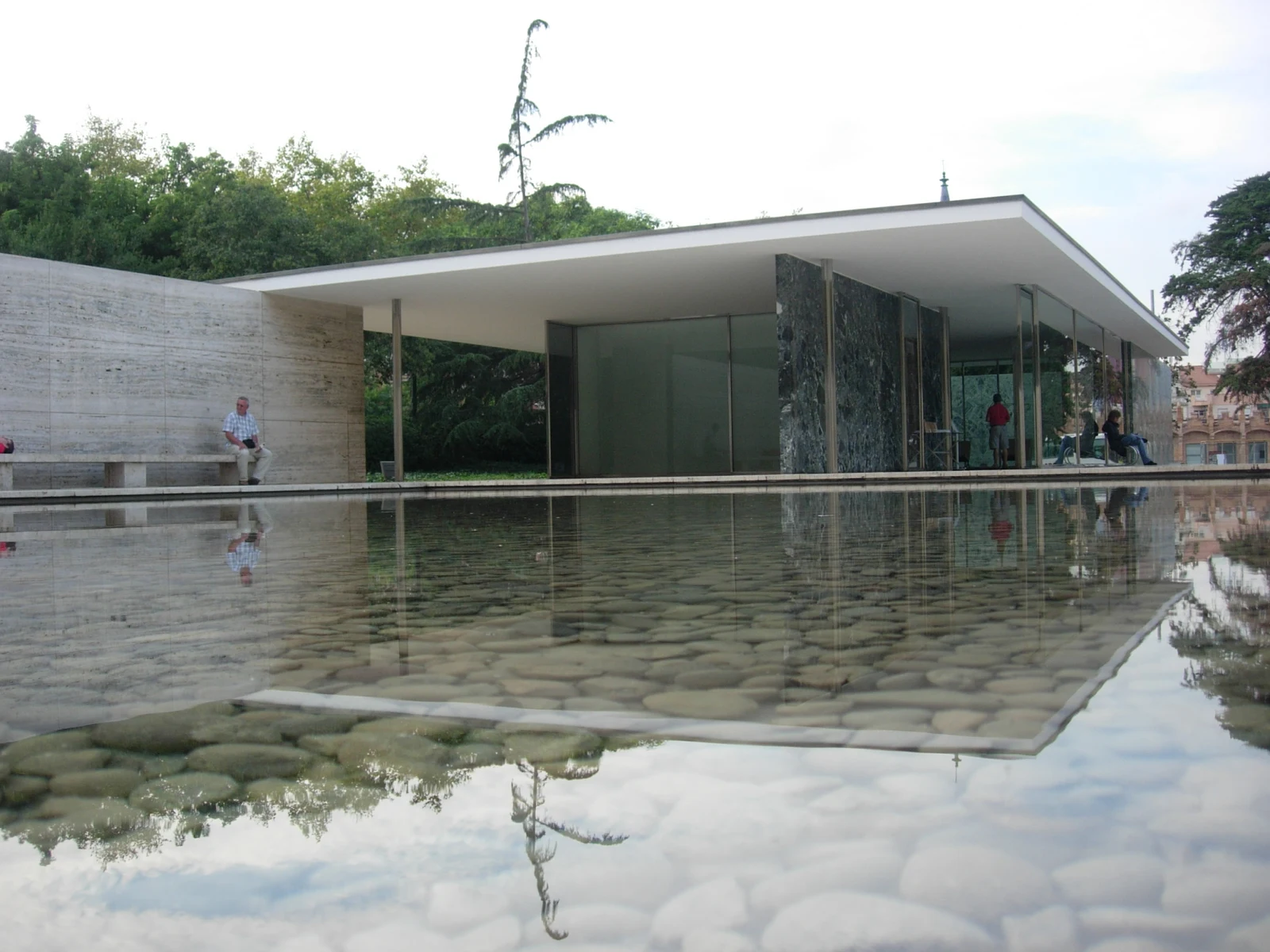
The Barcelona Pavilion is one of the most influential buildings of the twentieth century. Designed by Mies van der Rohe as the German national pavilion for the 1929 International Exposition, it was built, briefly admired, and then demolished the following year. Its reconstruction in 1986 restored what had existed only in photographs and memory — and the result remains startling.
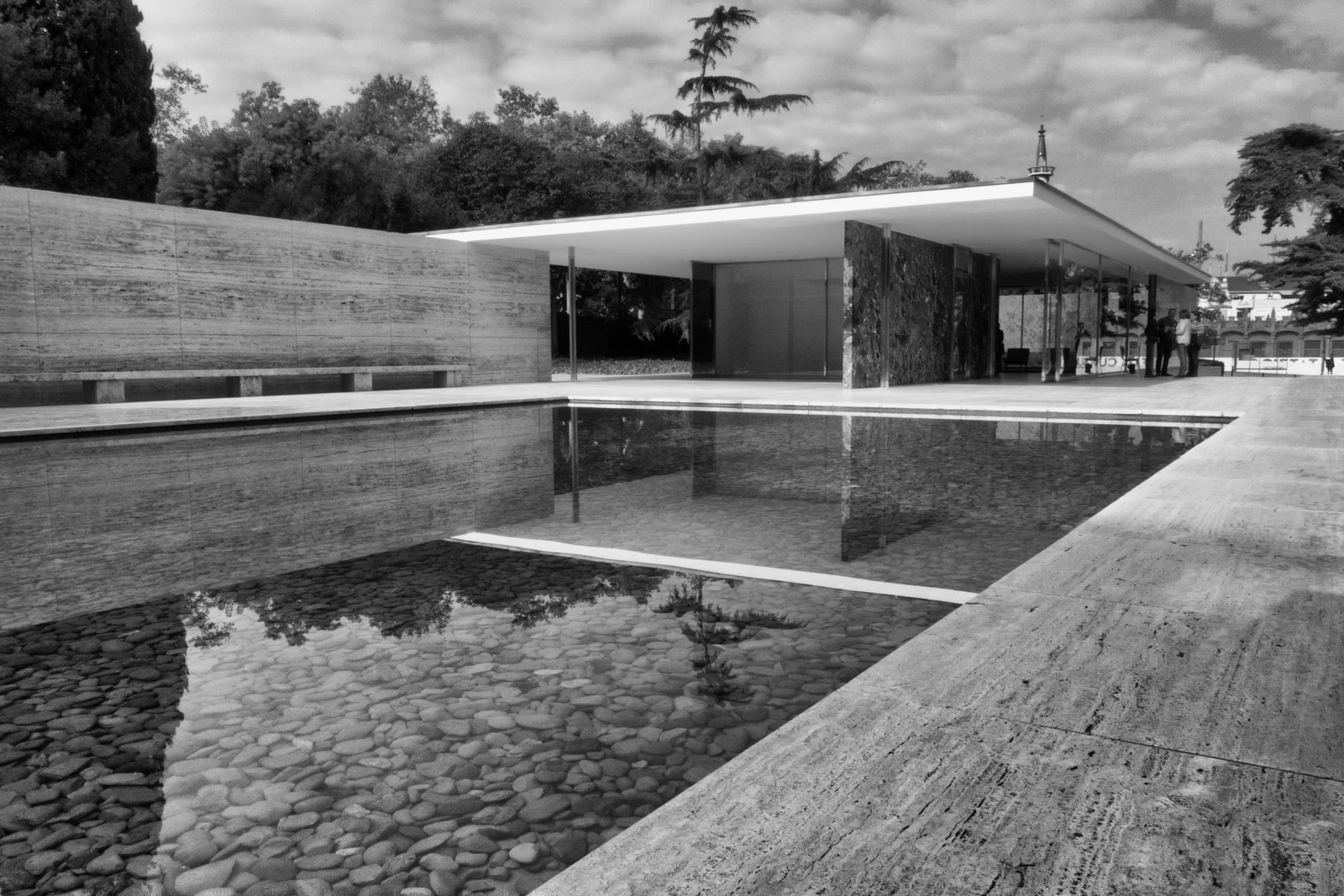
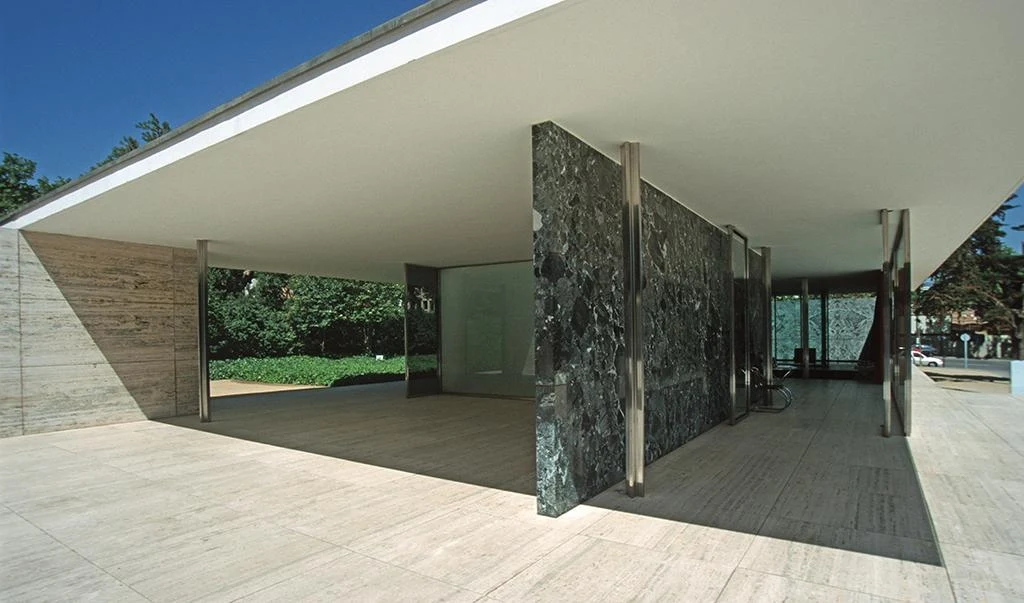
The building is deceptively simple: a flat roof carried on eight cruciform chrome-steel columns, sheltering a composition of freestanding planes in onyx, marble, and glass. There are no rooms in the conventional sense, only spaces that flow into and around one another. The famous Georg Kolbe sculpture stands at one end of the shallow reflecting pool, completing the composition without enclosing it.
What makes the pavilion inexhaustibly interesting is what it refuses to do. There is no programme, no function to accommodate, no hierarchy of entry and exit. It exists purely as architecture — as a demonstration that space, material, and proportion can be an end in themselves. The green Tinos marble, the honey-coloured onyx, the dark red Quer carpet: every surface is chosen for its texture and colour as much as its structural role.
Visiting requires attention and patience. The building changes completely depending on the time of day and where you stand. Morning light through the amber glass reads differently from afternoon shadow on the marble planes. Walk around the reflecting pool. Touch nothing. Return if you can.
Architecture · ModernismCulture · Exhibition Space
Nearby places
More in BarcelonaAll →
Comments
Sign in to leave a comment.
Access conditions may change. Please check current opening and access information with the venue before visiting.
Something wrong or missing?