Worth Visiting
Dipòsit de les Aigües
Josep Fontserè / Antoni Gaudí · 1880
ArchitectJosep Fontserè / Antoni Gaudí
Year1880
LocationBarcelona, Spain
Coordinates41.3864° N, 2.1895° E
TypeArchitecture · Adaptive Reuse, Culture · Library
StatusWorth Visiting
Sign in to save and check in to this place.
About this place
A monumental 19th-century water cistern in the Ciutadella district — an early engineering work involving a young Antoni Gaudí, now repurposed as a library for Pompeu Fabra University.
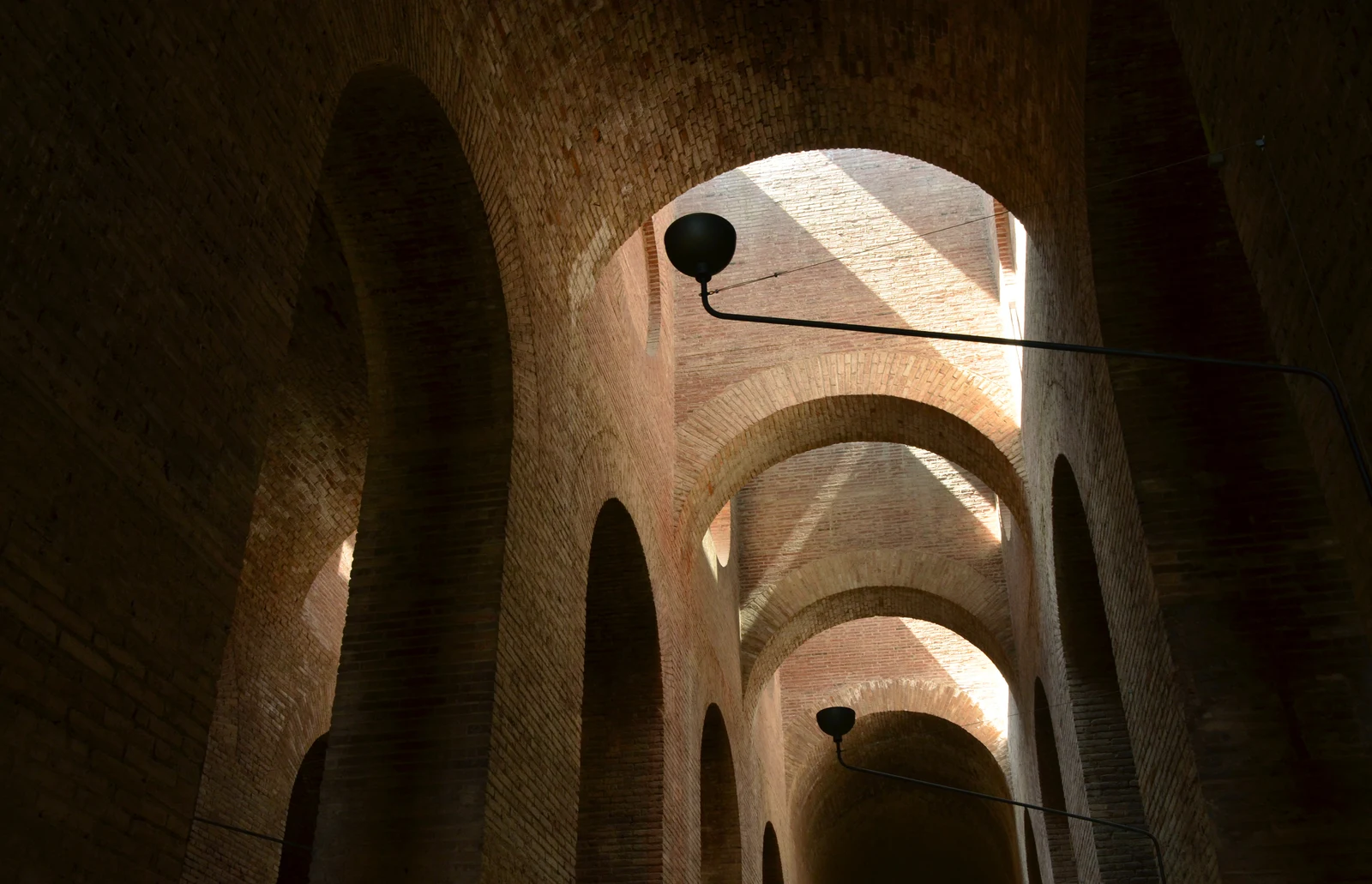
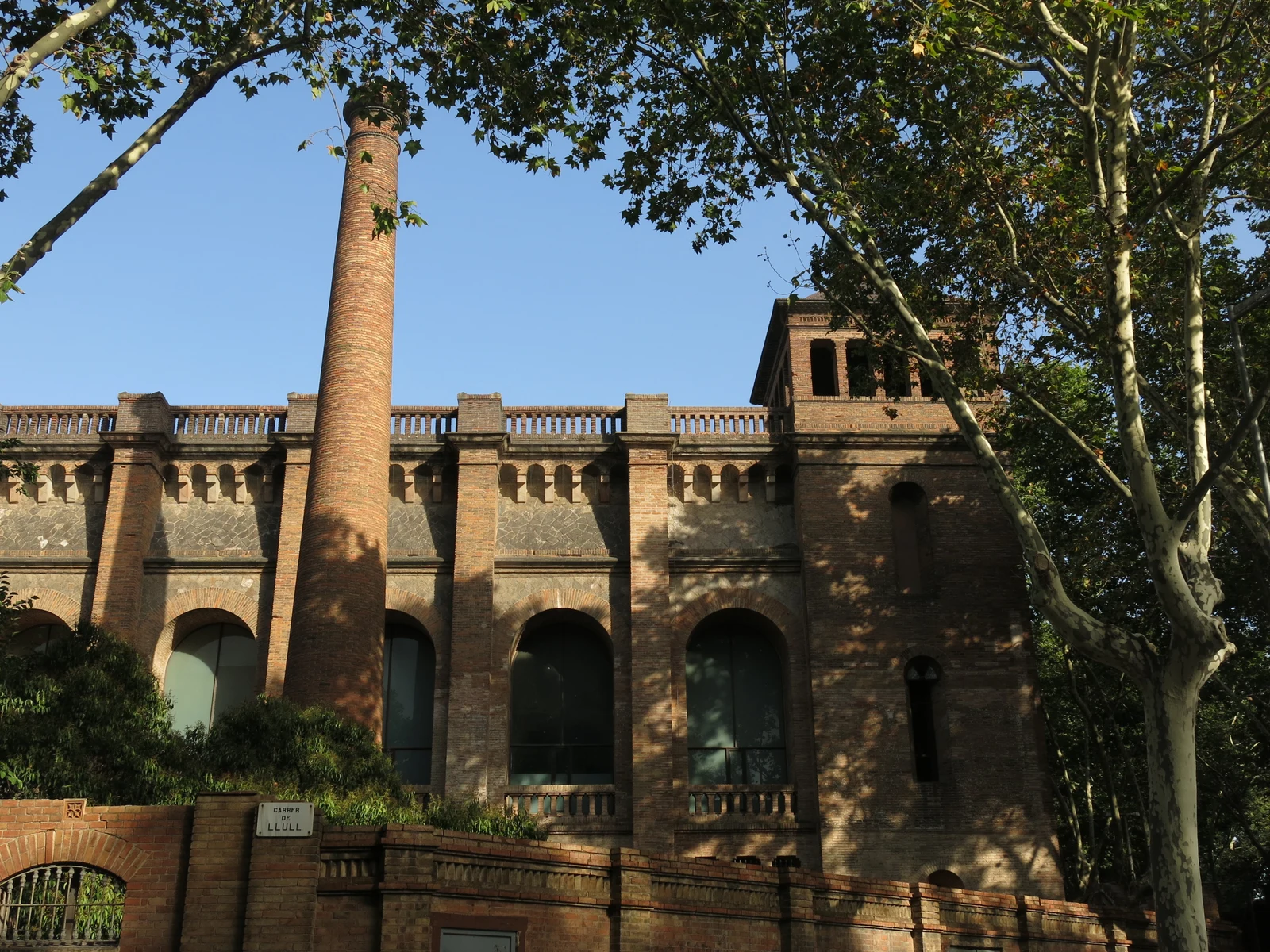
The Dipòsit de les Aigües is one of Barcelona's more quietly extraordinary buildings: a vast underground water cistern constructed in 1880 to supply the Eixample district, designed by Josep Fontserè with structural calculations attributed to a young Antoni Gaudí, then still a student. The building is a warehouse of water held aloft by a forest of brick columns and brick vaulted ceilings — an engineering achievement of the period that manages to be spatially compelling even by contemporary standards.
The cistern was built as part of the Parc de la Ciutadella development, the large urban park created on the site of the demolished citadel fortress after the liberal revolution of 1868. Fontserè directed the park's design, and the dipòsit was among its essential infrastructure — water storage on a civic scale required a civic scale of building, and the result is a space that feels closer to a cathedral crypt than a utilitarian tank.
Gaudí's involvement, now widely documented, is limited but historically significant: the structural parabolic arches and column geometry bear the marks of the engineering approach he would develop throughout his career. The dipòsit is not a Gaudí building in any meaningful sense, but it is one of the places where his architectural thinking first found physical form.
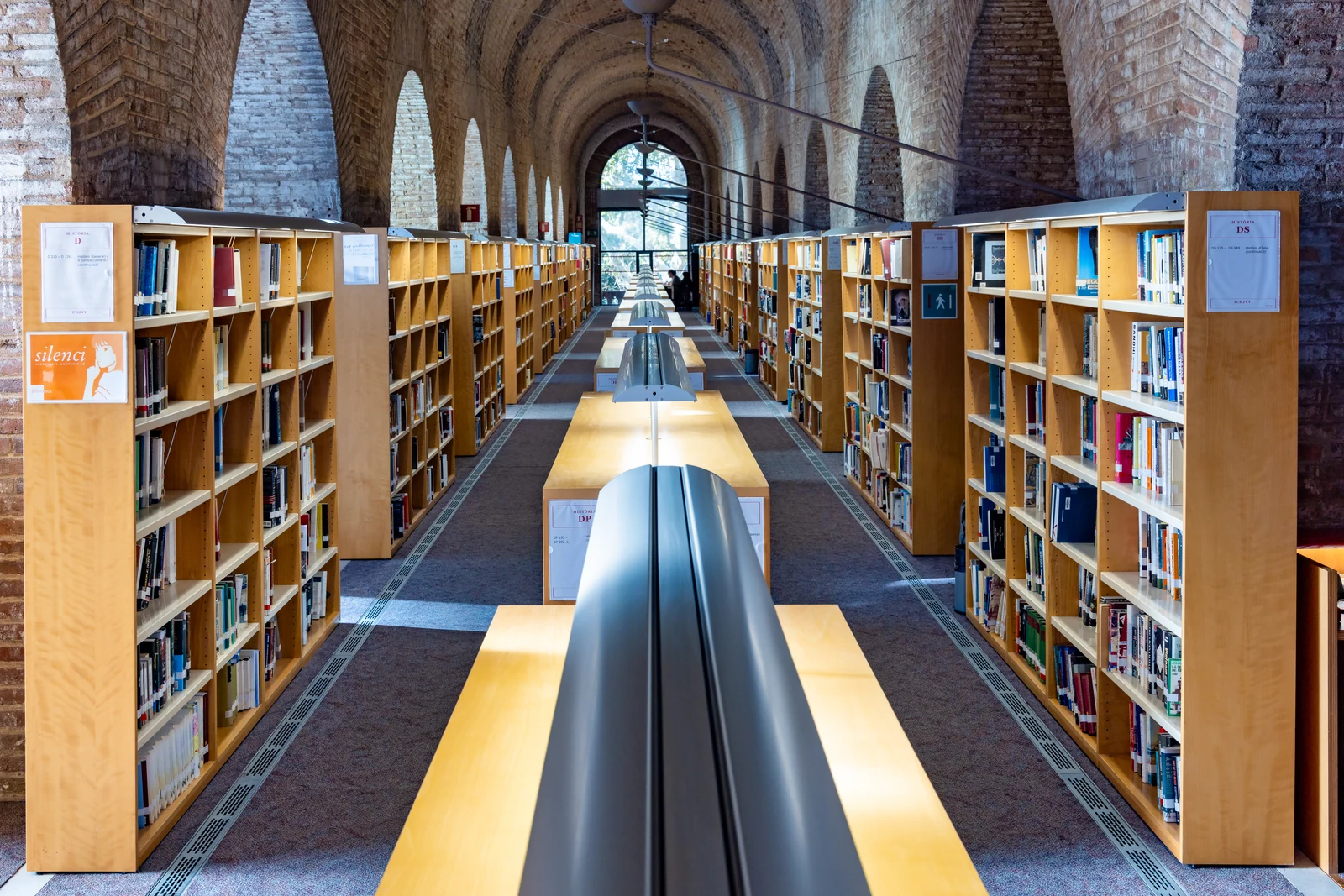
Since the 1990s the cistern has been adapted as the library of the Pompeu Fabra University. The conversion is sensitive: reading rooms occupy the vaulted bays, natural light filters through openings cut into the roof, and the structural logic of the original is preserved and legible. The space works as a library precisely because it was never designed to be one — the scale and silence of the original structure suit study in ways that most purpose-built libraries do not.
Architecture · Adaptive ReuseCulture · Library
Nearby places
More in BarcelonaAll →
Comments
Sign in to leave a comment.
Access conditions may change. Please check current opening and access information with the venue before visiting.
Something wrong or missing?