Worth Visiting
Can Framis Museum
Jordi Badia / BAAS · 2009
ArchitectJordi Badia / BAAS
Year2009
LocationBarcelona, Spain
Coordinates41.4050° N, 2.1986° E
TypeCulture · Museum, Architecture · Adaptive Reuse
StatusWorth Visiting
Sign in to save and check in to this place.
About this place
BAAS Arquitectura's conversion of an 18th-century Poblenou wool factory into a museum of Catalan painting — a precise rehabilitation that preserves the industrial fabric while inserting a contemporary building between two historic wings.
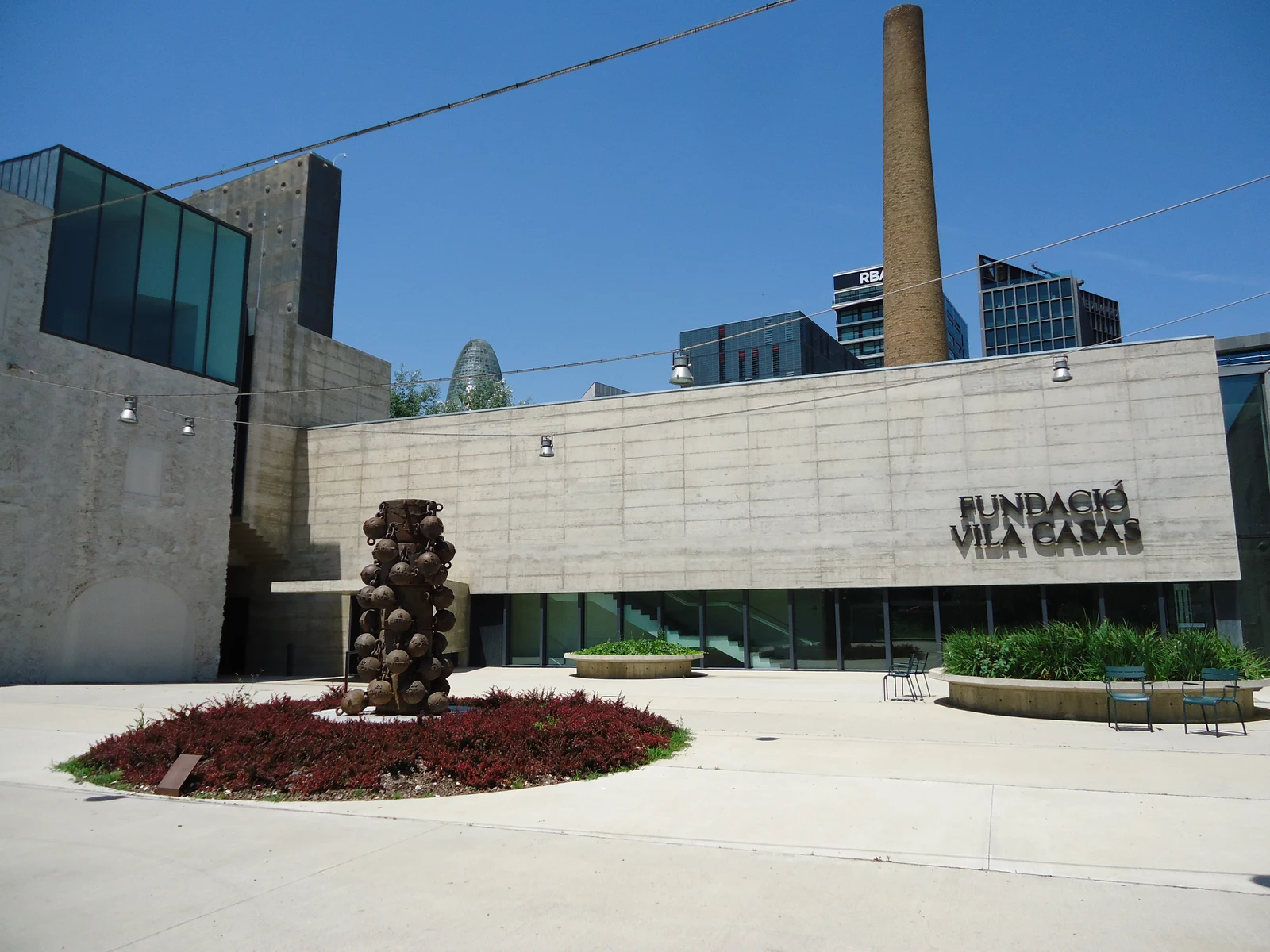
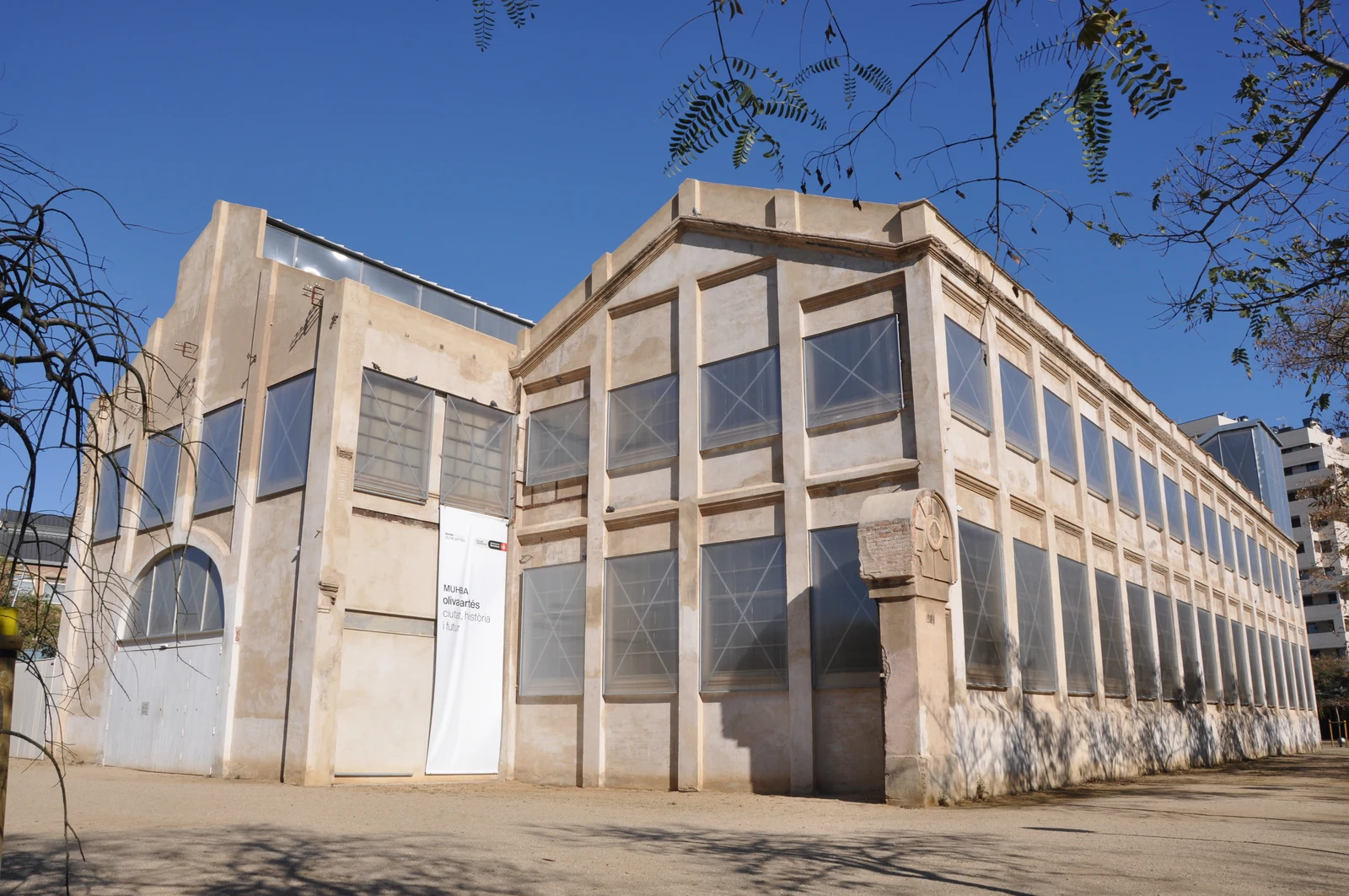
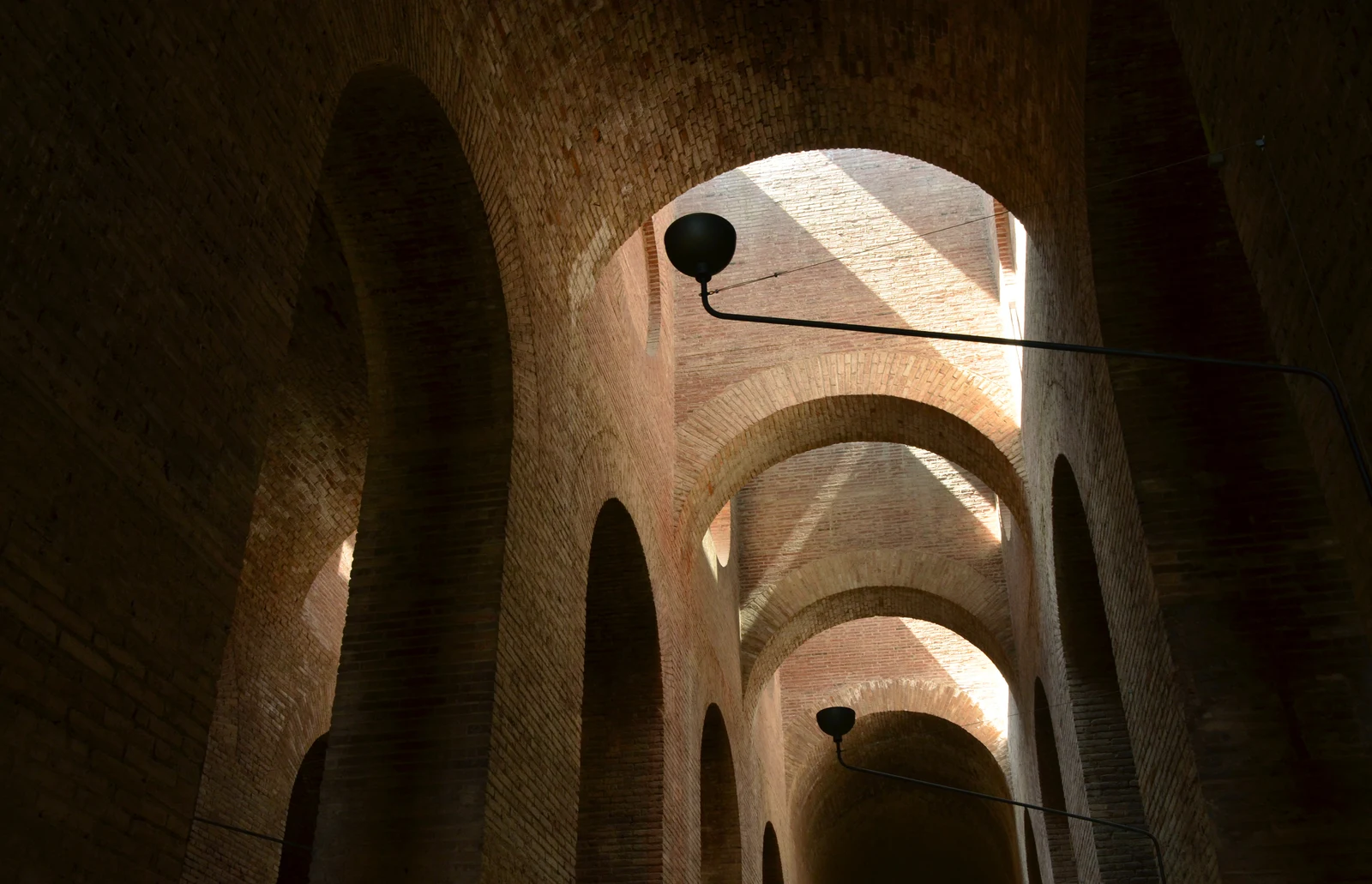
Can Framis is an 18th-century wool factory in the Poblenou district — one of the few industrial buildings to survive the massive urban transformation of the 22@ innovation district that has reshaped this part of Barcelona over the past two decades. In 2009, Jordi Badia's BAAS Arquitectura converted the complex into a museum for the Fundació Vila Casas collection of 20th and 21st-century Catalan painting, in what became one of the most discussed heritage conversion projects of recent Spanish architecture.
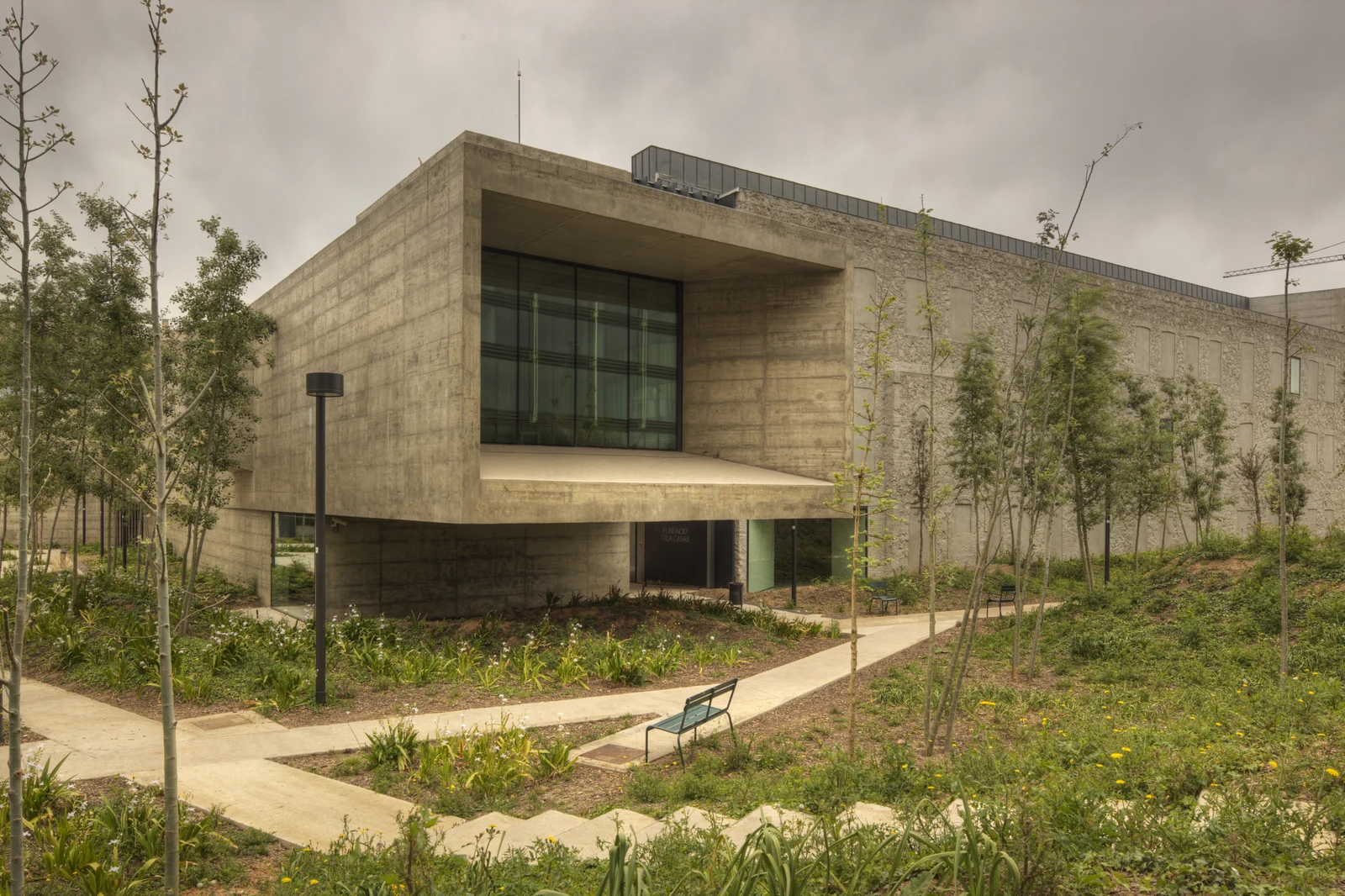
The intervention is clear-headed and precise. The two surviving historic wings — long, low structures of brick and timber — are preserved and restored as the museum's principal galleries. Between them, Badia inserted a new concrete building that connects the two historic volumes while providing additional floor area. The new element does not pretend to be old and does not compete with the existing fabric: it uses concrete with a carefully considered surface texture that distinguishes it from the brick walls while remaining in dialogue with them in terms of mass and proportion.
The result is a building that reads as a coherent whole rather than as restoration plus addition. The sequence through the galleries is organised so that visitors move between the historic and contemporary volumes without the transition feeling abrupt — the architecture manages the relationship between old and new with more intelligence than most conversions at this scale.
Poblenou itself is worth exploring: the 22@ district contains several other interesting recent buildings, and the neighbourhood retains traces of its industrial character beneath the overlay of tech offices and new residential development.
Culture · MuseumArchitecture · Adaptive Reuse
Nearby places
More in BarcelonaAll →
Comments
Sign in to leave a comment.
Access conditions may change. Please check current opening and access information with the venue before visiting.
Something wrong or missing?