Worth Visiting
CaixaForum Barcelona
Arata Isozaki / Puig i Cadafalch · 2002
ArchitectArata Isozaki / Puig i Cadafalch
Year2002
LocationBarcelona, Spain
Coordinates41.3693° N, 2.1516° E
TypeCulture · Cultural Center, Architecture · Adaptive Reuse
StatusWorth Visiting
Sign in to save and check in to this place.
About this place
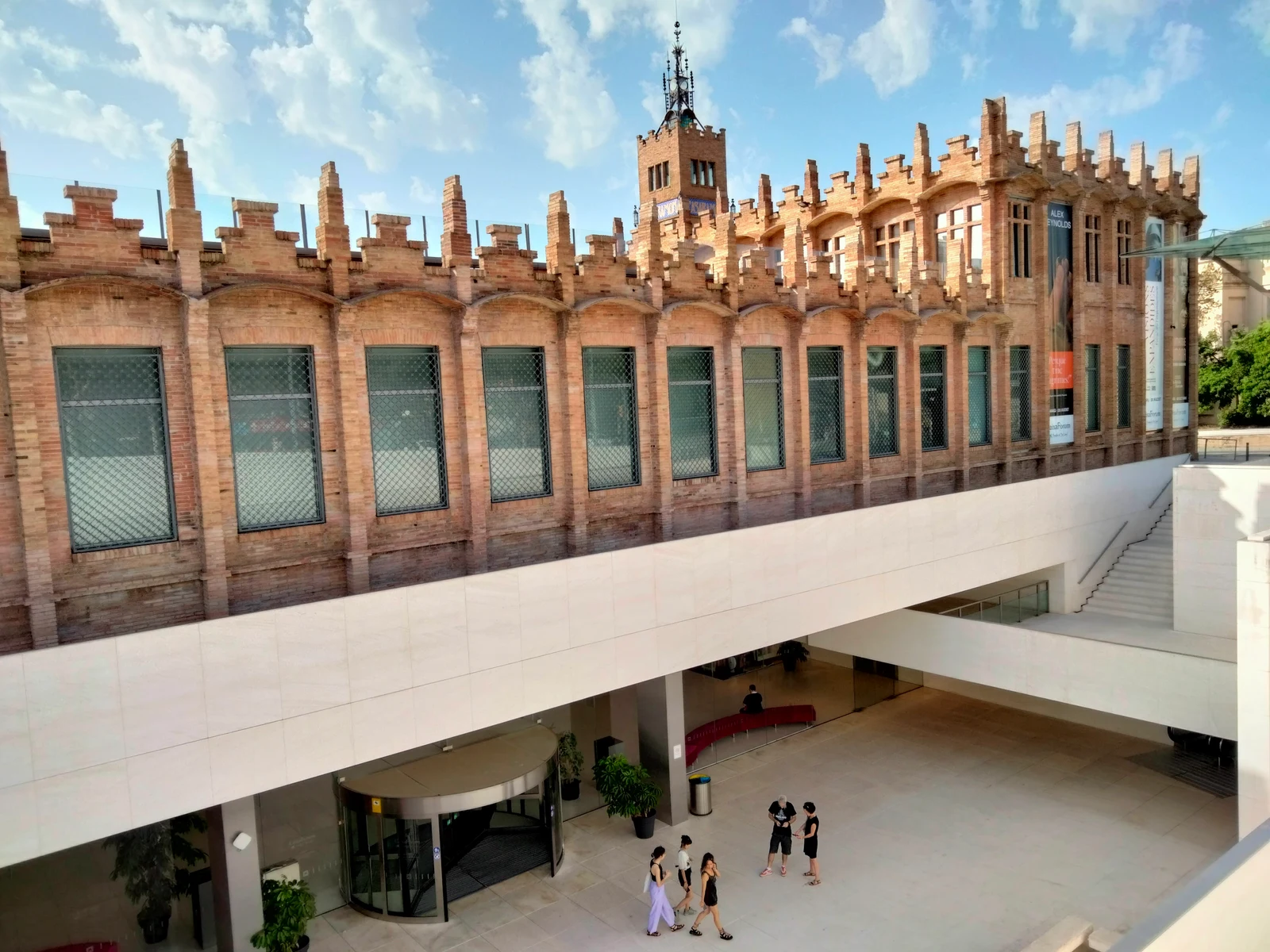
Arata Isozaki's conversion of Puig i Cadafalch's 1911 Casaramona textile factory into a major Barcelona cultural centre — one of the finest examples of Catalan Modernisme industrial architecture, revived as a museum and exhibition space at the foot of Montjuïc.
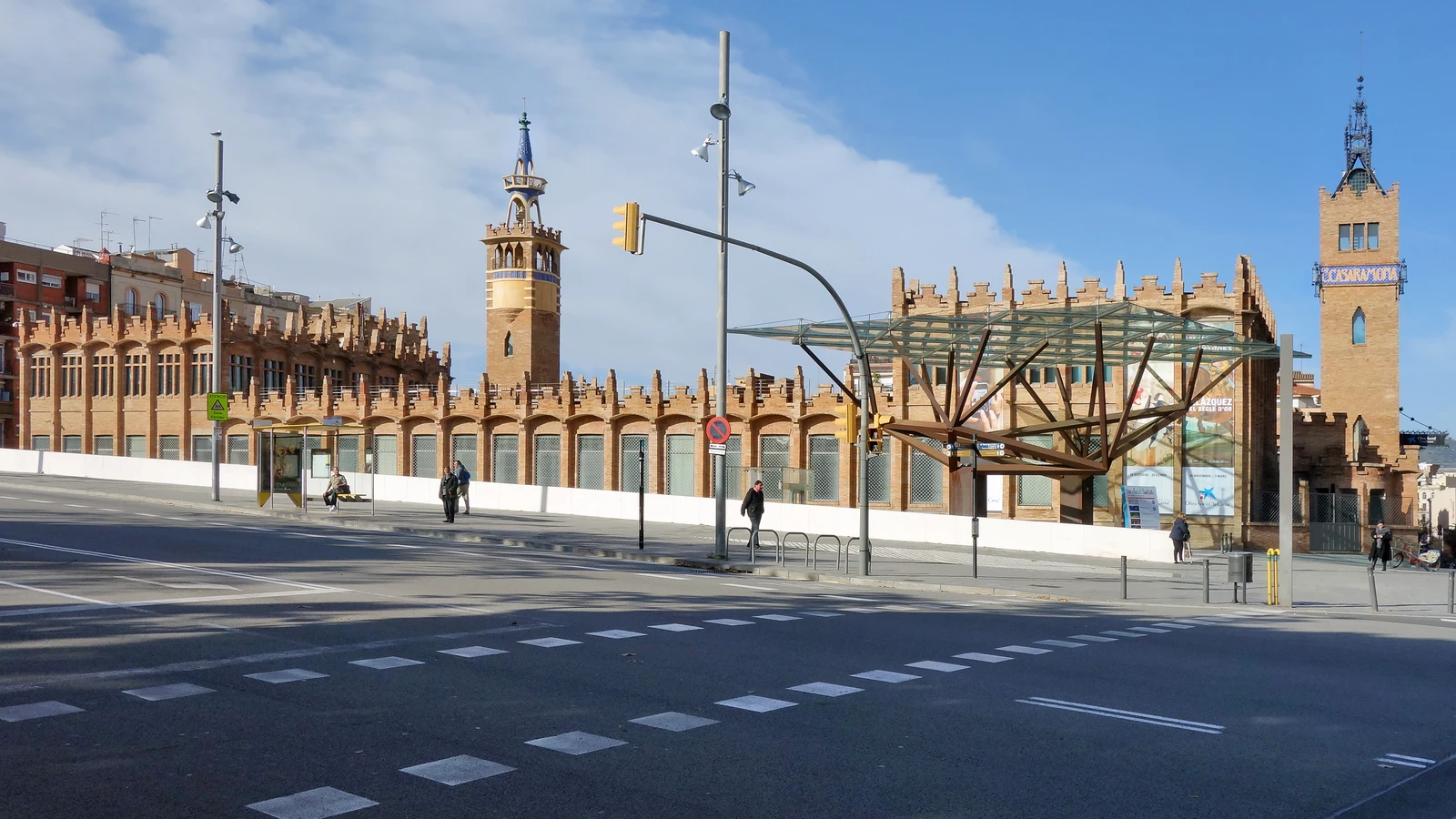
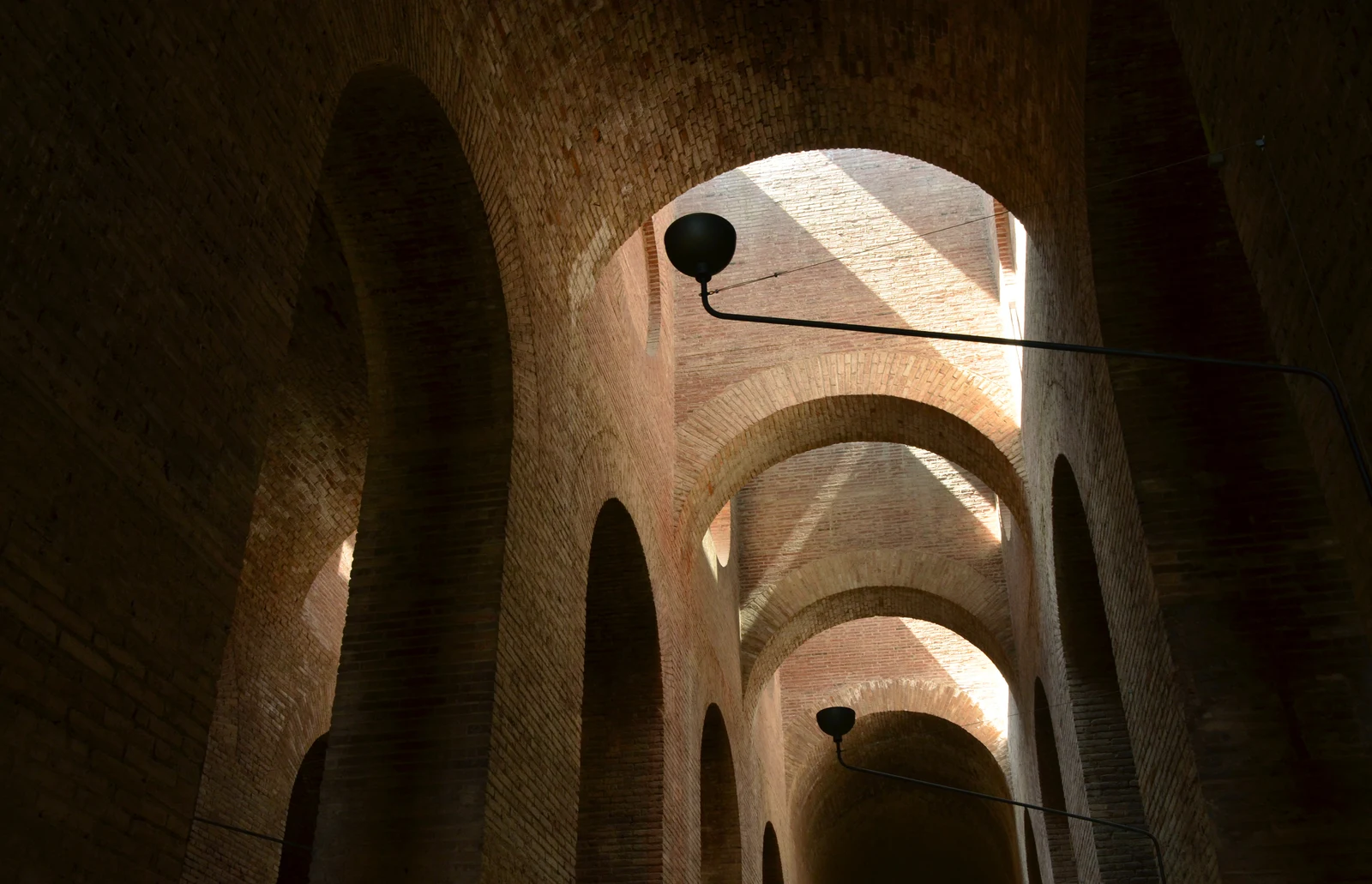
CaixaForum Barcelona occupies the former Casaramona textile factory, built in 1911 by Josep Puig i Cadafalch — one of the three principal architects of Catalan Modernisme alongside Domènech i Montaner and the early Gaudí. The factory is an outstanding example of industrial Modernisme: brick vaulted structures, decorative ceramic details, and a carefully composed silhouette that belies its utilitarian programme. After decades of use as a police barracks, it was converted in 2002 by Arata Isozaki into a cultural centre for the Fundació La Caixa, with an underground entrance pavilion added beneath the existing structure and new exhibition floors inserted within the historic shell.
Isozaki's intervention is measured and largely invisible from the exterior. The historic factory facades are preserved and restored, while the new programme — galleries, auditorium, education spaces — is accommodated within the existing volumes and below ground. The most dramatic gesture is the steel and glass canopy added to the main entrance, which creates a covered public forecourt without compromising the Modernisme facades behind.
The collection and programme at CaixaForum are among the strongest in Barcelona: the Fundació La Caixa holds a significant contemporary art collection and runs an ambitious temporary exhibition programme that brings major international shows to the city. The building is always worth visiting both for the architecture of the original factory and for whatever is showing at the time.
The location at the foot of Montjuïc places CaixaForum within easy reach of the Pavelló Mies van der Rohe and the MNAC, making this corner of the city one of the densest concentrations of architectural and artistic interest in Barcelona.
Culture · Cultural CenterArchitecture · Adaptive Reuse
Nearby places
More in BarcelonaAll →
Comments
Sign in to leave a comment.
Access conditions may change. Please check current opening and access information with the venue before visiting.
Something wrong or missing?